Hindu Pilgrimage Tour Overview
Nepal has long been an important destination for Hindu pilgrims, with ancient temples, sacred Shiva sites, and Himalayan pilgrimage traditions spread across different parts of the country. This tour is designed to combine some of Nepal’s most important Hindu religious destinations into one comfortable and well-paced spiritual journey.
During these 10 days, travelers visit sacred sites including Pashupatinath Temple, Muktinath Temple, Manakamana Temple, Patan Krishna Mandir, Kailashnath Mahadev Statue, and several other important religious sites connected with Lord Shiva and Hindu pilgrimage traditions in Nepal.
The journey combines temple visits, spiritual experiences, mountain travel, and cultural exploration while still maintaining a comfortable pace for families and senior travelers. Instead of rushing between destinations, the itinerary is planned with proper travel flow, rest periods, and enough time to properly experience each pilgrimage site.
One of the major highlights of the tour is the journey toward Muktinath in the Mustang region. As the route gradually moves from green hills and river valleys into the dry Himalayan landscapes near Mustang, the pilgrimage itself begins to feel very different from regular city-based temple visits. For many travelers, the peaceful mountain surroundings and spiritual atmosphere around Muktinath become one of the most memorable parts of the journey.
This tour is suitable for spiritual travelers, families, senior citizens, and anyone looking to experience Nepal through its temples, traditions, and Himalayan pilgrimage culture. With proper transportation, guided support, comfortable accommodations, and carefully planned routing, the journey remains manageable while still offering a meaningful spiritual experience across Nepal’s important Hindu pilgrimage destinations.
What Places Are Covered During This Hindu Pilgrimage Tour?
This 10-day Hindu pilgrimage tour covers some of Nepal’s most important religious destinations while also allowing travelers to experience the country’s spiritual atmosphere, mountain scenery, and traditional culture throughout the journey. Each destination included in the itinerary offers a different religious and cultural experience.
1. Pashupatinath Temple
One of the most sacred Hindu temples dedicated to Lord Shiva, Pashupatinath is considered one of the holiest pilgrimage sites for Hindu devotees. Located beside the Bagmati River, the temple is known for its strong spiritual atmosphere, Aarati ceremonies, temple rituals, and centuries-old religious importance.
2. Patan Krishna Mandir
Located in Patan Durbar Square, Patan Krishna Mandir is one of the most famous stone temples in Nepal dedicated to Lord Krishna. The temple is known for its traditional Shikhara-style architecture and important religious significance among Hindu devotees.
3. Manakamana Temple
Dedicated to Goddess Bhagwati, Manakamana Temple is widely believed to fulfill the wishes of devotees. The temple is reached by a scenic cable car ride above the Trishuli River and surrounding hills, making the journey itself an important part of the pilgrimage experience.
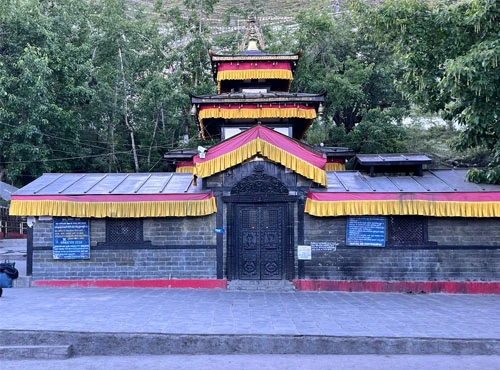
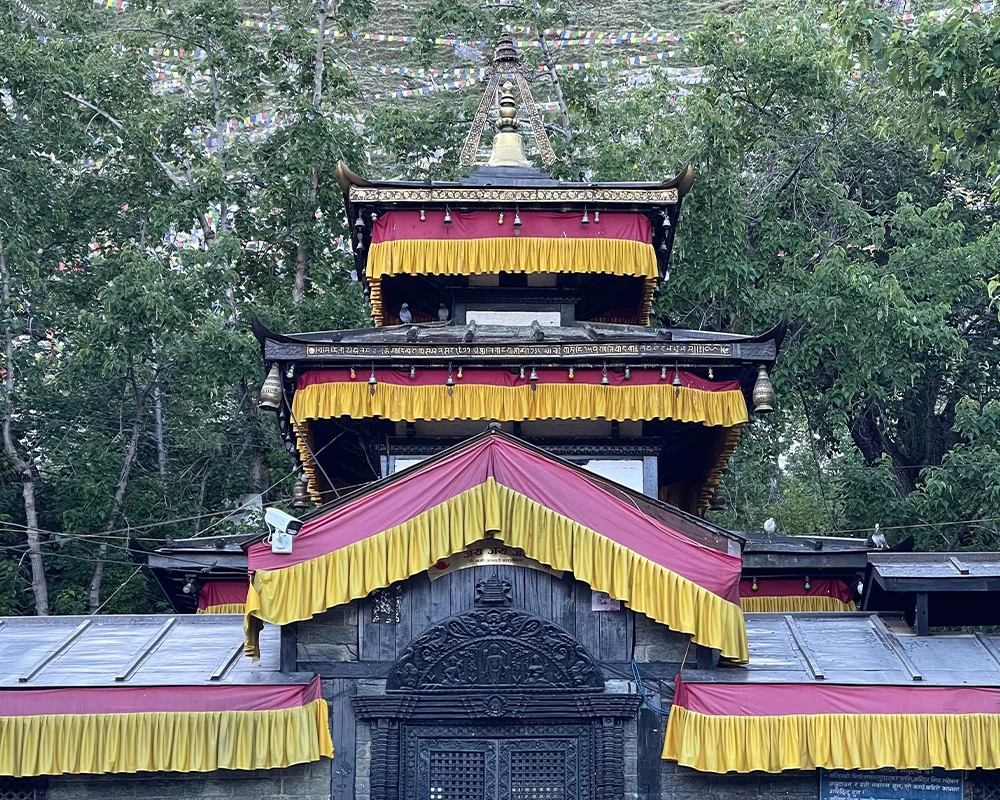
4. Muktinath Temple
Muktinath is one of Nepal’s most respected pilgrimage destinations for both Hindus and Buddhists. Located in the Himalayan region of Mustang, the temple is associated with spiritual liberation and moksha. Many pilgrims consider visiting Muktinath a once-in-a-lifetime spiritual journey because of both its religious importance and Himalayan setting.
5. Pumdikot Shiva Statue
Located on a hill above Pokhara, Pumdikot is home to a large Shiva statue overlooking the Pokhara Valley and surrounding mountains. The site offers both spiritual significance and panoramic Himalayan views.
6. Gupteshwor Mahadev Cave
This sacred cave temple dedicated to Lord Shiva is located near Davis Falls in Pokhara. Inside the cave, devotees can visit a naturally formed Shiva shrine while experiencing the cave’s unique underground setting.
7. Bindhyabasini Temple
One of the oldest temples in Pokhara, Bindhyabasini Temple is dedicated to Goddess Bhagwati and remains an important religious site for local devotees and pilgrims visiting the city.
8. Kailashnath Mahadev Statue
Known as one of the tallest Shiva statues in the world, Kailashnath Mahadev has become an important religious destination near Kathmandu. The site offers a peaceful atmosphere along with impressive views of the surrounding hills.
9. Doleshwor Mahadev Temple
Doleshwor Mahadev is believed by many devotees to be connected with the head portion of the Kedarnath temple in India. Because of this religious belief, the temple holds strong importance among Shiva devotees visiting Nepal.
10. Budhanilkantha Temple
Budhanilkantha Temple is famous for its large reclining stone statue of Lord Vishnu resting on a bed of serpents. The peaceful surroundings and unique sculpture make it one of Kathmandu Valley’s most important Vishnu temples.
11. ISKCON Temple Nepal
The ISKCON Krishna Temple offers a peaceful devotional atmosphere focused on Lord Krishna worship, bhajans, and spiritual teachings. Many visitors appreciate the calm surroundings and spiritual environment of the temple complex.
Why is Nepal an Important Destination for Hindu Pilgrims?
Nepal holds a special place in Hinduism because many important temples, sacred sites, and religious traditions have been preserved here for centuries. The country is closely connected with Lord Shiva, Vishnu, Goddess Sita, and various Hindu pilgrimage traditions that continue to attract devotees from across Nepal and India.
One of the main reasons Hindu pilgrims visit Nepal is Pashupatinath Temple, one of the most respected Shiva temples in the world. The temple is considered one of the holiest pilgrimage sites for Shiva devotees and remains an important center for Hindu rituals and religious ceremonies.
Nepal is also home to Muktinath Temple, a sacred pilgrimage destination associated with moksha, or spiritual liberation. Many Hindu devotees believe visiting Muktinath and taking part in its rituals carries deep religious significance.
Another major religious destination is Janaki Mandir, believed to be the birthplace of Goddess Sita. Because of its connection with the Ramayana, Janakpur remains one of the most important pilgrimage sites for followers of Lord Ram and Goddess Sita.
What also makes Nepal important for Hindu pilgrims is the strong presence of traditional temple culture and religious practices throughout the country. Ancient temples, daily rituals, Aarati ceremonies, festivals, priests, and devotional activities continue to remain an active part of everyday life in many religious areas of Nepal.
Is This Hindu Pilgrimage Tour Suitable for Senior Citizens and Families?
Yes, this Hindu pilgrimage tour is designed in a way that makes it suitable for senior citizens, families, and travelers who prefer a more comfortable and manageable travel pace. The itinerary balances temple visits, road journeys, sightseeing, and rest days carefully so the trip does not feel overly rushed or physically demanding.
Most of the major pilgrimage sites included in the tour are accessible by vehicle, and the overall journey involves moderate walking rather than long trekking days. Comfortable hotel accommodations, guided support, and private transportation also help make the experience smoother for older travelers and family groups.
The only section that requires a little more consideration is the visit to Muktinath Temple due to its higher altitude. However, many senior pilgrims visit Muktinath every year successfully. The route can be planned with proper pacing, and travelers usually have enough time to adjust during the journey. For those who prefer a more comfortable option, domestic flight arrangements toward the Muktinath region can also help reduce long travel hours.
Families traveling with parents or children often choose this type of pilgrimage tour because it combines religious experiences with sightseeing, cultural visits, and scenic landscapes, allowing different age groups to enjoy the journey together.
The itinerary can also be customized depending on travel pace, comfort preferences, transportation choices, and overall requirements of the group.
How Difficult is the Muktinath Visit During the Tour?
For most travelers, visiting Muktinath Temple is usually the most physically demanding part of the tour. This is mainly because Muktinath is located at a higher altitude in the Himalayan region of Mustang.
The journey to Muktinath includes long mountain road travel or optional domestic flights, depending on the itinerary and travel preference. Some road sections beyond Pokhara can be rough and bumpy, so travelers should expect mountain roads rather than smooth highways throughout the journey.
After reaching Muktinath, there is a short uphill walk and some stairs leading to the temple area. Most pilgrims complete it slowly without much difficulty, but senior citizens or travelers with knee or breathing problems may need to walk at a slower pace.
Due to the altitude, some travelers may experience mild symptoms like shortness of breath, tiredness, or a light headache. Serious altitude problems are uncommon because the stay is usually short and the itinerary is planned gradually.
Overall, visiting Muktinath is considered moderate rather than difficult. Every year, many pilgrims, including elderly travelers, complete the journey comfortably with proper rest, hydration, and a steady pace.