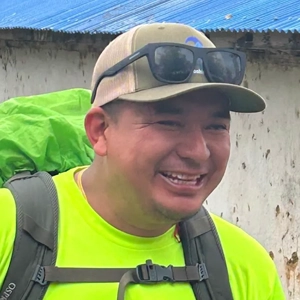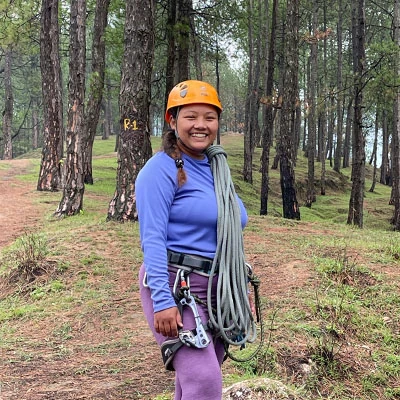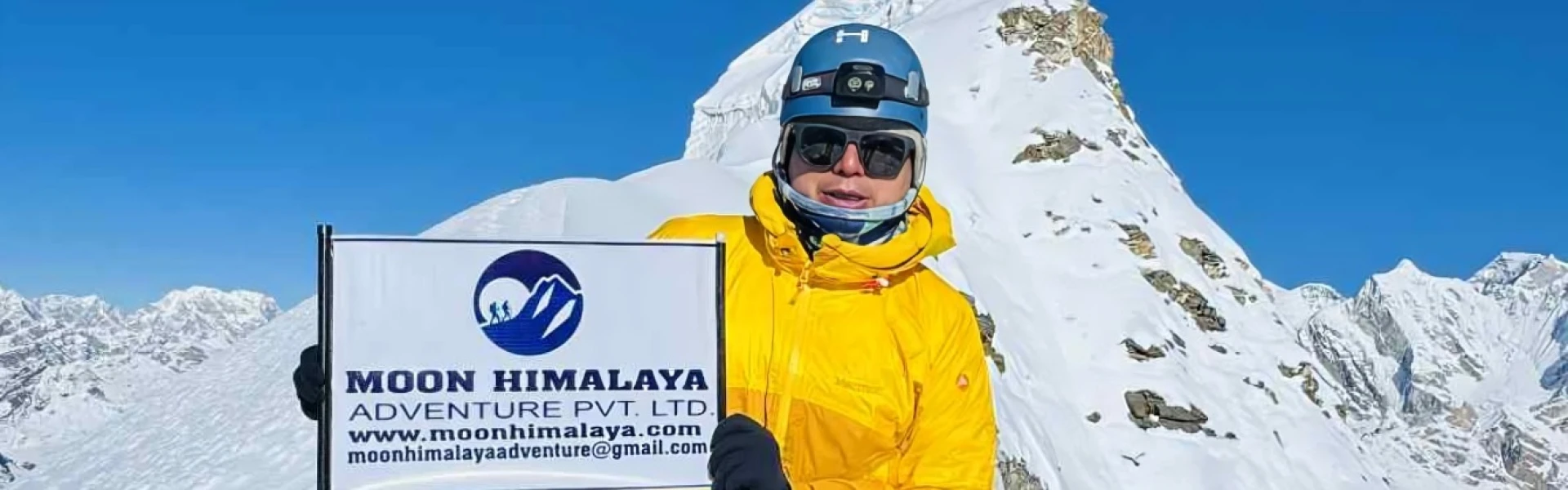
At 13, Lachhuman Tamang was carrying loads on camping treks to help support his family.
More than two decades later, he is an International Mountain Leader — recognized through the Nepal Mountain Leader Association and UIMLA, a qualification very few Nepali guides hold.
Along the way, Lachhuman has worked on 300+ trekking journeys, 150+ climbing expeditions, and 60+ Kailash yatra across some of the most demanding mountain environments in Nepal and Tibet.
Today, he is the co-founder of Moon Himalaya Adventure with his wife, Manisha Tamang, and he still personally leads groups in the field.
This is his story.
Growing Up in Gorakhani
Lachhuman grew up in Gorakhani, Solukhumbu, as the eldest son in a family of eight. Responsibility came early.
Before school, he would wake up to cut and carry enough grass for the family’s cattle to last through the day.
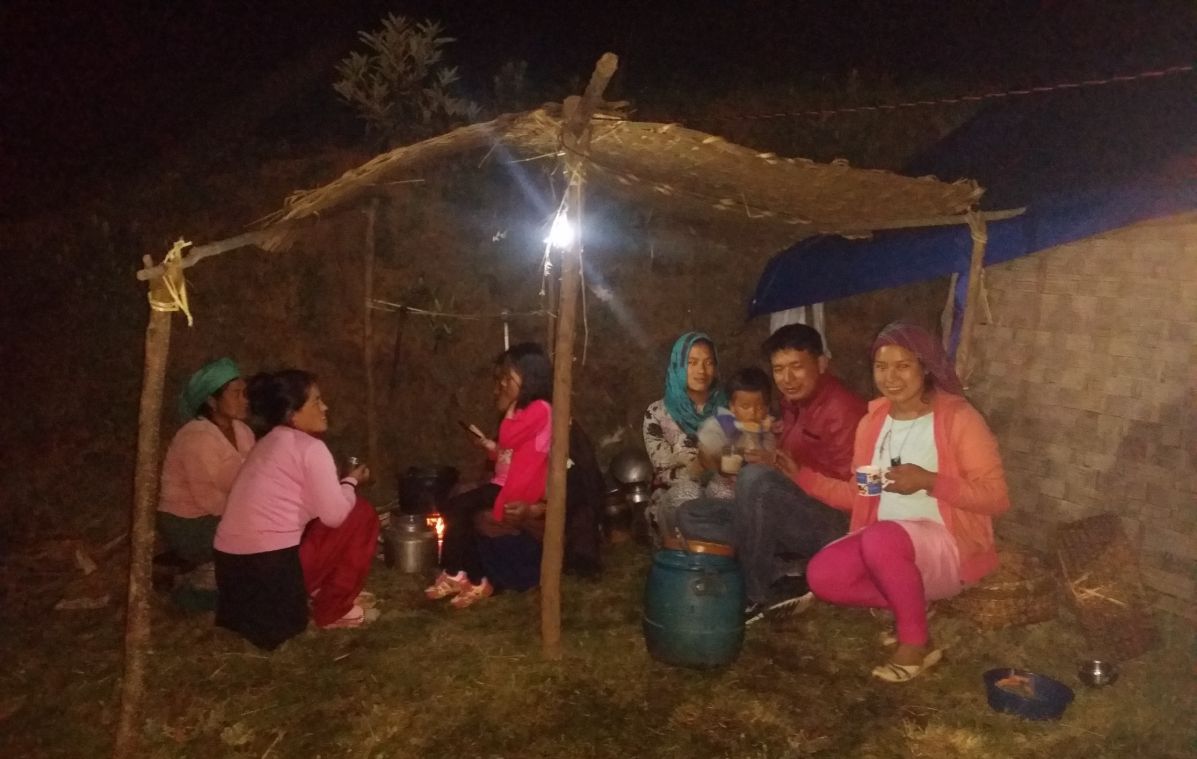
His family had very limited means. He remembers going to school without proper footwear or school clothes, carrying his notebooks in his hands because he didn't have a school bag. At times, even providing a full meal for the whole family was difficult.
With his father as the family's only source of income, Lachhuman began working in trekking at 13 to help support the household.
That was the starting point of a career that has now continued for more than two decades.
From Porter to Mountain Leader
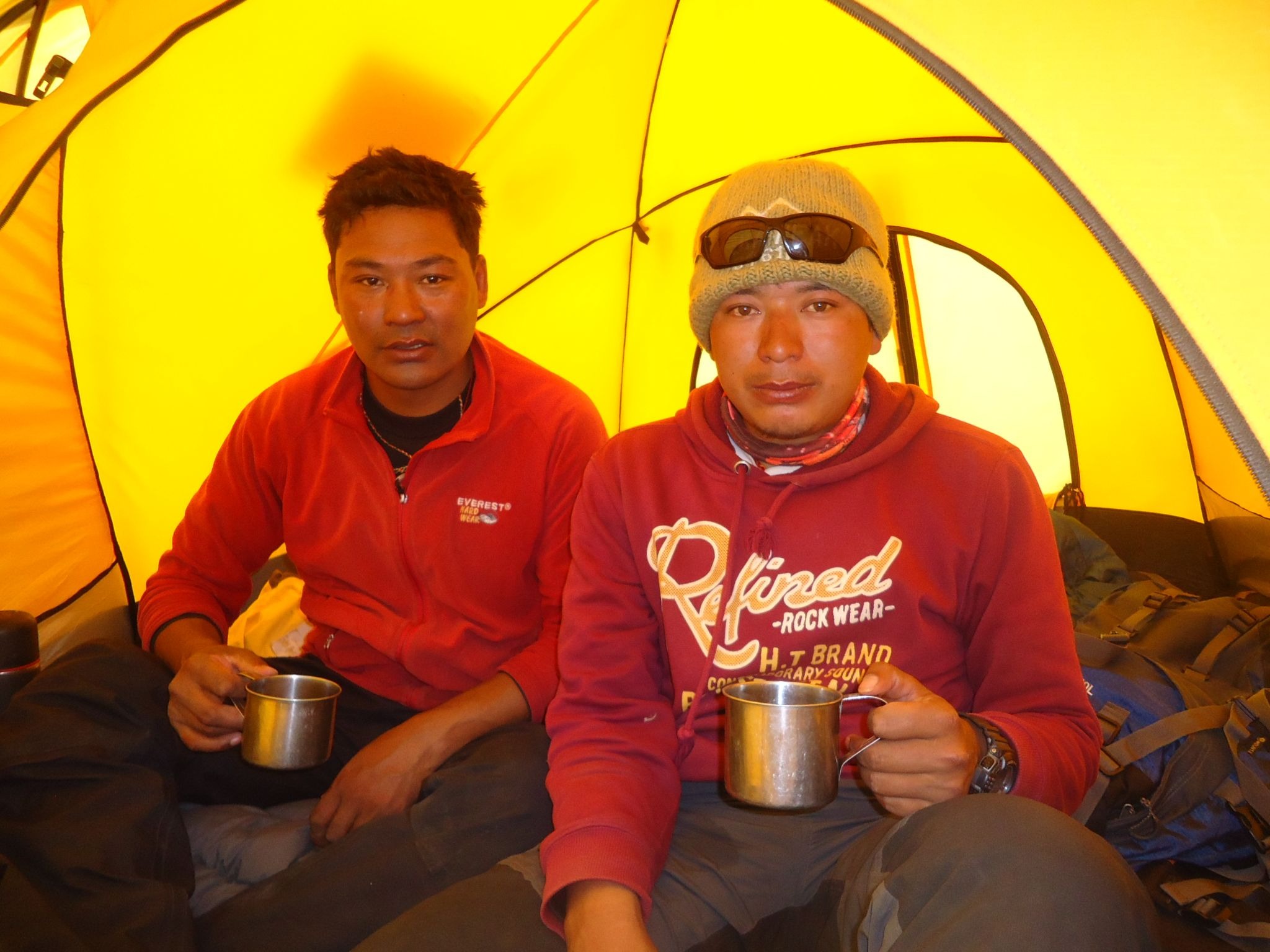
Lachhuman's first job in trekking was as a porter on camping treks. He remembers carrying loads of around 40 to 50 kg, but even finding the work wasn't straightforward. Connections mattered, and having relatives already in the industry gave him his first way in.
Progress came gradually.
In 2004, he became a kitchen boy. By 2005, he was working as an assistant guide/Sherpa.
One of his early opportunities came after a villager introduced him to a trekking office. Lachhuman kept showing up even when there was no job waiting — helping the cook in the kitchen, sometimes just hoping for a meal.
Eventually, the cook noticed his sincerity and took him along on a camping trek.
At first, trekking was simply a way to earn money without needing formal qualifications. Over time, Lachhuman realized he genuinely enjoyed the work and wanted to build a long-term career in the mountains.
He worked his way from porter to assistant guide, trekking guide, mountain guide, and eventually Mountain Leader in 2013.
The journey was not straightforward.
At times, he had to rent trekking and climbing equipment from a relative because he could not afford his own, while much of what he earned went straight back into training.
Building His Professional Qualifications
As Lachhuman gained more experience in the field, he also began investing seriouslyin formal training.
Trekking guide training was the critical first step, as it gave him a license and moved him beyond informal roles.
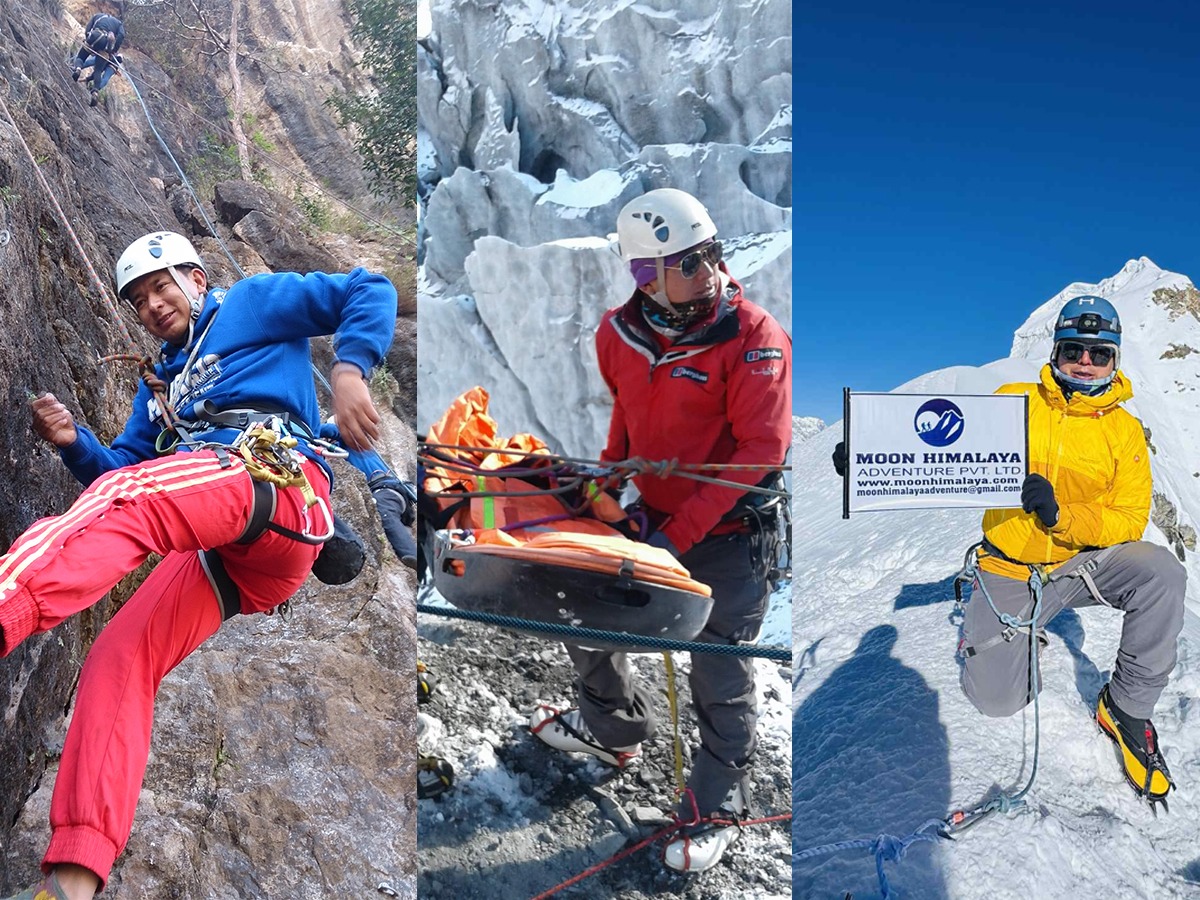
From there, his training became progressively specialized: rock climbing, mountaineering, rescue, first aid, mountain medicine, Wilderness First Responder training, and the Mountain Leader components that would eventually lead to international recognition.
For Lachhuman, these weren't separate achievements — they were one continuous progression.
NMA Trek Leader training (now Mountain Leader Component 1) was a key step, building on his experience as a trekking guide and on high mountain passes before he moved into more advanced training.
Becoming an International Mountain Leader
In November 2024, Lachhuman became an International Mountain Leader, recognized through the Nepal Mountain Leader Association and UIMLA, the Union of International Mountain Leader Associations.
For him, it was more than another certificate.
It was the culmination of a journey that began when he was a 13-year-old porter and continued through difficult early years as he worked to build his career in Nepal. He sees the achievement as a reflection of hard work, dedication, patience, and commitment.
From Trainee to Training Others
In 2017, Lachhuman began working as an Assistant Mountain Leader Instructor. He later progressed to Instructor and training coordinator, helping prepare the next generation of guides for Nepal’s tourism industry.
His instructional work has included Mountain Leader Components 1, 2, and 3, the winter component, Mountain Leader Instructor Training, and refresher training for trekking guides.
Experience Across the Himalayas
Over more than two decades, Lachhuman has worked on 300+ trekking journeys and 150+ climbing journeys across different roles — from porter and kitchen work in his early years to guiding, mountain leadership and instruction later on.
His work has taken him through Everest, Annapurna, Kanchenjunga, Mustang, Dhaulagiri, Langtang and Manaslu, as well as trekking peaks and high passes including Island Peak, Lobuche, Mera Peak, Tashi Lapcha, Thorong La, Cho La, Renjo La and Amphu Lapcha.
For Lachhuman, knowing a route isn't just about having crossed it before. Tashi Lapcha demands technical expertise. On Thorong La, timing is everything — he emphasizes starting early and completing the crossing by noon for the group's safety.
Different mountains, different judgment calls.
Journeys That Shaped His Leadership
Some journeys stand out not because they were the most famous, but because they placed greater responsibility on Lachhuman as a guide.
Two examples are an Everest Base Camp journey with a group of people living with one kidney and his many years of work around Kailash and Tibet.
Everest Base Camp With the One Kidney Group
Lachhuman was selected for the Everest Base Camp journey after an interview in which the team assessed his professional background and experience.
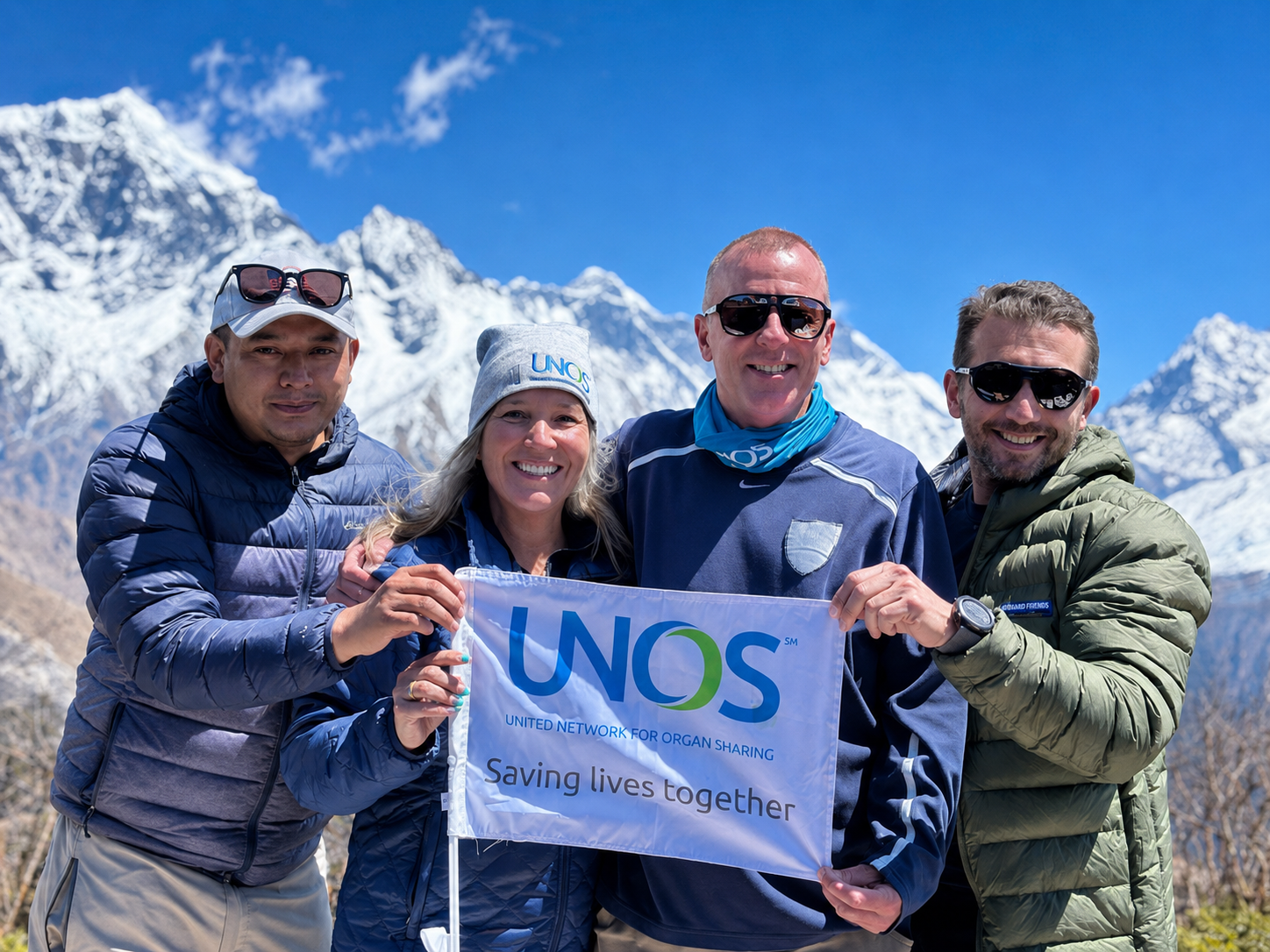
His responsibility went beyond simply showing the route.
He had to monitor the group closely, pay attention to their walking pace, manage the group accordingly and make sure they were receiving suitable meals throughout the trek.
He remembers the journey as particularly demanding because of the high-altitude environment and the responsibility he felt toward the participants.
The moment that stayed with him most was seeing the group successfully reach Everest Base Camp.
The experience reinforced something that became increasingly important in his approach to guiding: the same itinerary cannot simply be applied to every group in exactly the same way.
The guide has to watch the people following it.
Guiding in Kailash and Tibet
Lachhuman’s experience in Tibet has developed over more than 60 Kailash Yatras.
During those yatras, he has worked in several professional roles, including kitchen work, support work, and guiding. His experience in Tibet also includes Lhasa and the northern side of Everest Base Camp.
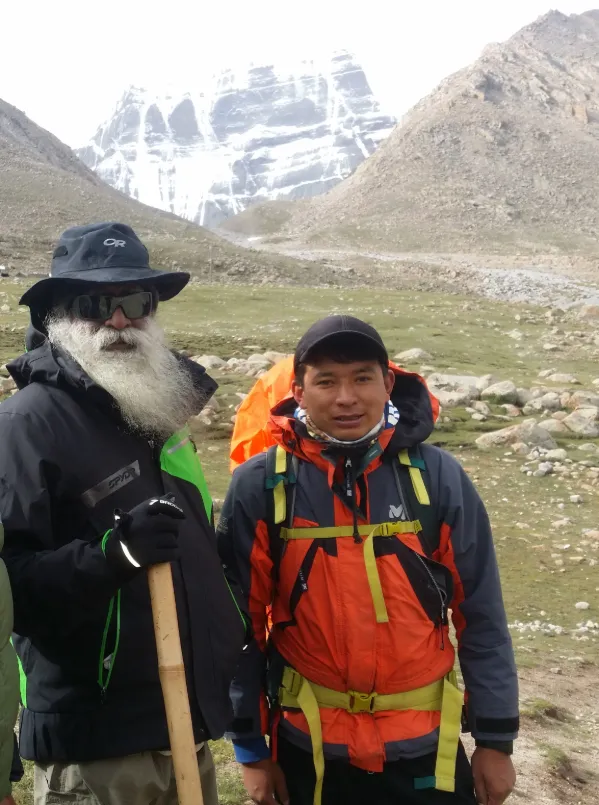
Among those journeys was Sadhguru’s Kailash Charan Sparsh journey, where Lachhuman served as a second guide and security guide. His responsibilities included looking after Sadhguru during the journey, managing his tent and carrying his backpack.
Working in Tibet also added another dimension to his experience. It helped him understand more about Hindu traditions and gave him further experience leading and supporting groups made up of people from different backgrounds.
Today, he uses that experience to organize and lead Kailash yatras for pilgrims from around the world.
What Years of Guiding Have Taught Him About People
Travelers arrive with different backgrounds, fitness, confidence and expectations — even on the exact same itinerary. Lachhuman believes a guide has to respond to those differences, not lead everyone the same way.
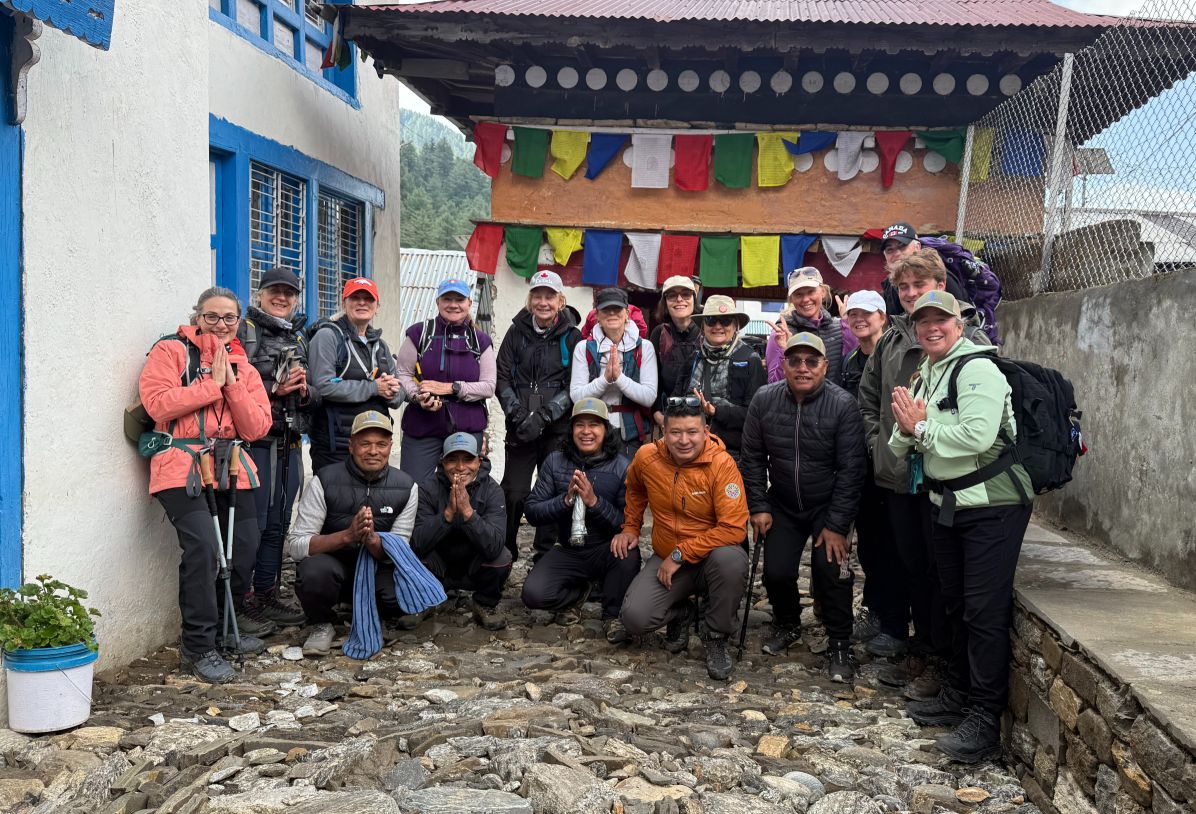
In his own words, a mountain leader sometimes needs to be a leader, a friend, a guardian, or a caretaker — depending on what the moment calls for.
Safety always comes first.
That means paying attention to health concerns, allowing enough time for acclimatization, helping travelers build confidence, and making sure they know how to use their equipment properly.
It also means encouraging people to speak honestly about how they are feeling, especially at altitude.
Knowing When to Continue and When to Stop
Reaching the destination should never become more important than the person standing in front of you.
Lachhuman remembers travelers who began looking unusually pale and losing their appetite. Rather than continuing with the itinerary, he asked more questions and made the call to turn back.
If someone is doing well, the journey continues.
If their body needs more time, rest becomes part of the plan.
And when health is genuinely at risk, descending is the responsible decision — not a failure.
From Guiding to Co-Founding Moon Himalaya Adventure
By 2017, Lachhuman had started organizing journeys himself, using another agency to issue permits. It gave him a new kind of responsibility — shaping the itinerary itself, not just leading it once travelers hit the trail.
In January 2023, Lachhuman and his wife, Manisha Tamang, founded Moon Himalaya Adventure together.
Lachhuman brought more than two decades of field experience, while Manisha brought an academic background in adventure tourism and took responsibility for much of the administrative and operational side of the company.
Lachhuman at MHA Today
Lachhuman remains closely involved in both planning and guiding.
He reviews itineraries, recommends changes, meets travelers, and personally leads the groups MHA runs today.
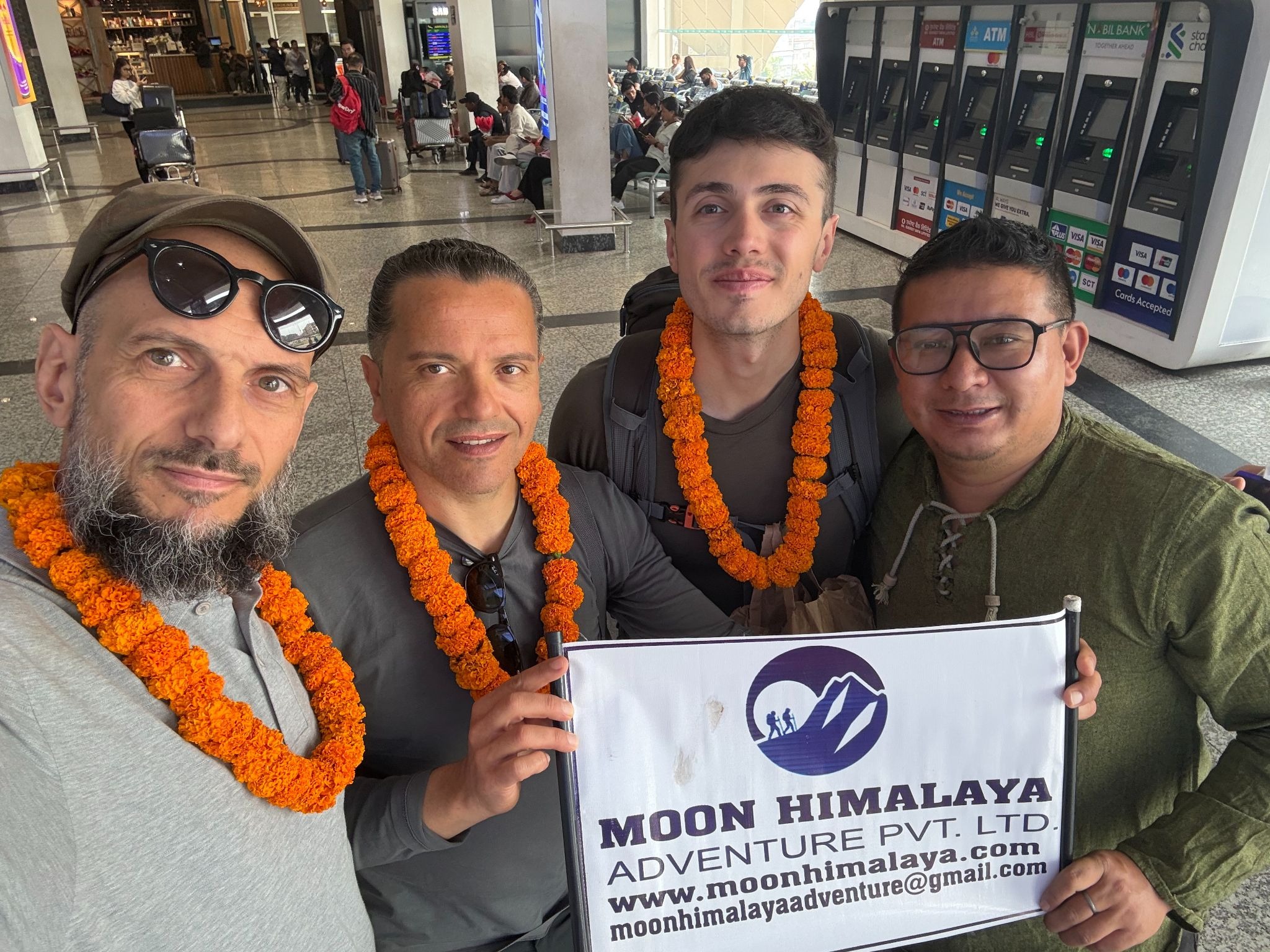
As MHA grows, his role may gradually shift toward planning, oversight and select journeys.
Travelers who specifically want a trip personally led by Lachhuman will be able to distinguish that from other MHA journeys led by experienced guides operating under the company's standards.
His story is not simply something that sits on the company website. His experience and judgment still shape the journeys Moon Himalaya Adventure runs today.
Talk to Lachhuman
You do not need to have every detail figured out before getting in touch.
Tell us where you're thinking of going, how much time you have, what previous experience you have, and anything you are concerned about.
Lachhuman and the Moon Himalaya Adventure team will help you shape a journey that realistically fits you.