Deciding between the Pikey Peak trek and the Mardi Himal trek? Discover whether the peaceful, panoramic trails of Pikey Peak or the dramatic, fast-paced alpine ridges of Mardi Himal are the perfect fit for your next short trek in Nepal.
Pikey Peak vs Mardi Himal Trek: Which Short Trek in Nepal Is Better for You?
Table of Contents
When planning a short mountain trip in Nepal, most people instantly think of classic crowded paths like Ghorepani Poon Hill or the busy trail to Annapurna Base Camp. However, if you want something fresher, less crowded, and highly rewarding, two amazing short treks stand out: the Pikey Peak trek and the Mardi Himal trek.
Pikey Peak is in the Lower Everest region (Solukhumbu), which Sir Edmund Hillary called his favorite place to view Mount Everest. The Mardi Himal trek, on the other hand, climbs a magnificent, high ridge right on the shoulder of the giant Machchhapuchhre (Fishtail Mountain) in the Annapurna region.
Both of these trails can easily be done as 5-day or 7-day hikes. But they offer completely different views, hiking styles, and cultural experiences. Let's break down the details to see which short trek in Nepal is the perfect fit for your next adventure.
Quick Comparison: Pikey Peak vs Mardi Himal Trek
Feature | Pikey Peak Trek | Mardi Himal Trek |
Highest Point | 4,065 meters | 4,500 meters (Base Camp Viewpoint) |
Mountain Region | Lower Solukhumbu (Everest) | Annapurna Conservation Area |
Trail Type | Wide, gentle valleys and rolling green ridges | Steep, narrow, and high mountain ridge path |
The Main View | A wide, sweeping panoramic view of the Everest chain | Mind-blowing, close-up vertical walls of ice and rock |
Total Walking Distance | Roughly 50 to 70 kilometers (depending on the exact path) | Roughly 40 to 45 kilometers |
Duration | Relatively longer trek. Typically takes 7-9 days. | Shorter trek. Typically takes 5-7 days. |
Best For | Beginners, families, and those seeking quiet culture | Those seeking a fast alpine thrill and high ridges |
Pikey Peak vs Mardi Himal View: Wide Panoramas vs. Close Walls
The layout of the land completely shapes what your eyes will see on each trail.
Pikey Peak Views
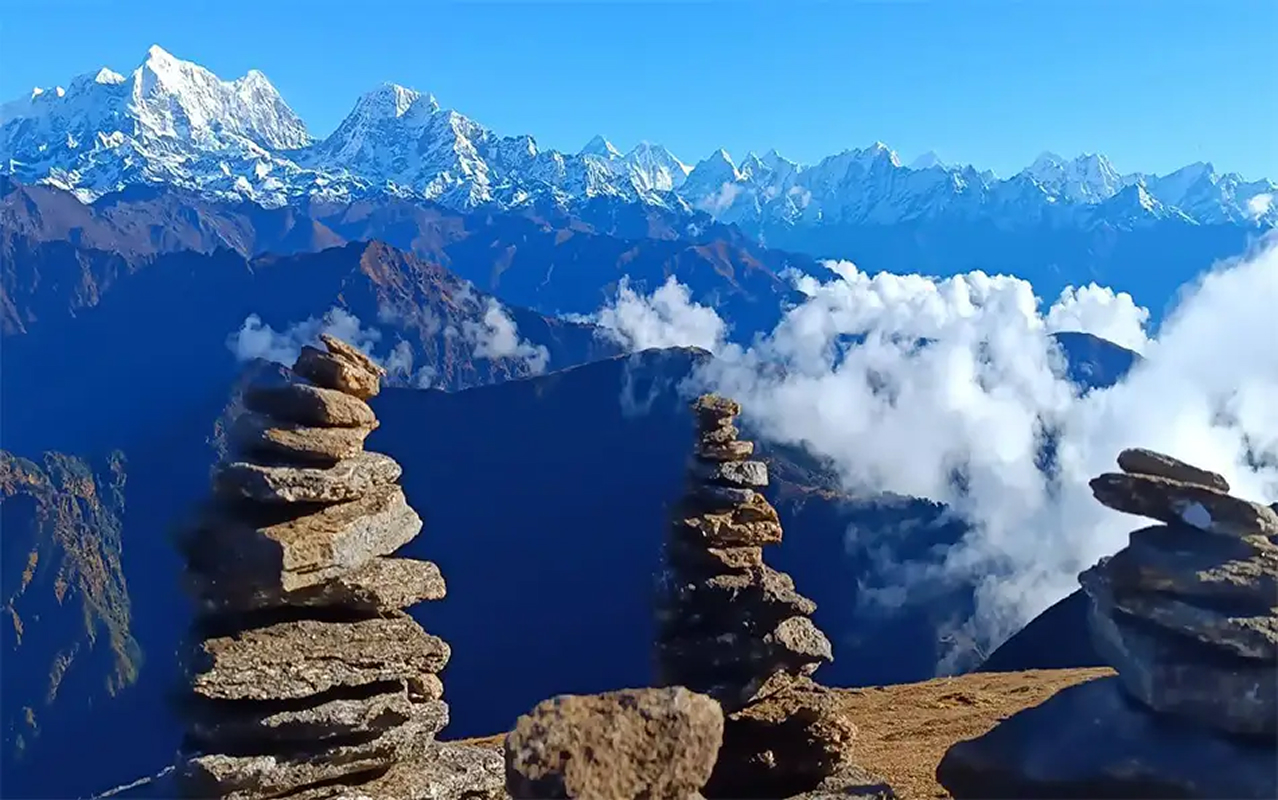
Because Pikey Peak stands slightly separate from the highest mountain walls of the main Everest range, it serves as a massive natural viewing platform. When you reach the top of Pikey Peak for sunrise, your eyes look out over a vast, horizontal sea of mountains—the wide panoramas.
On a clear morning, you can see nearly half of the entire Nepalese Himalayan chain, including four of the highest peaks on Earth: Mount Everest, Lhotse, Makalu, and Kanchenjunga. The view is expansive, open, and offers incredible depth for photography enthusiasts.
Mardi Himal Views
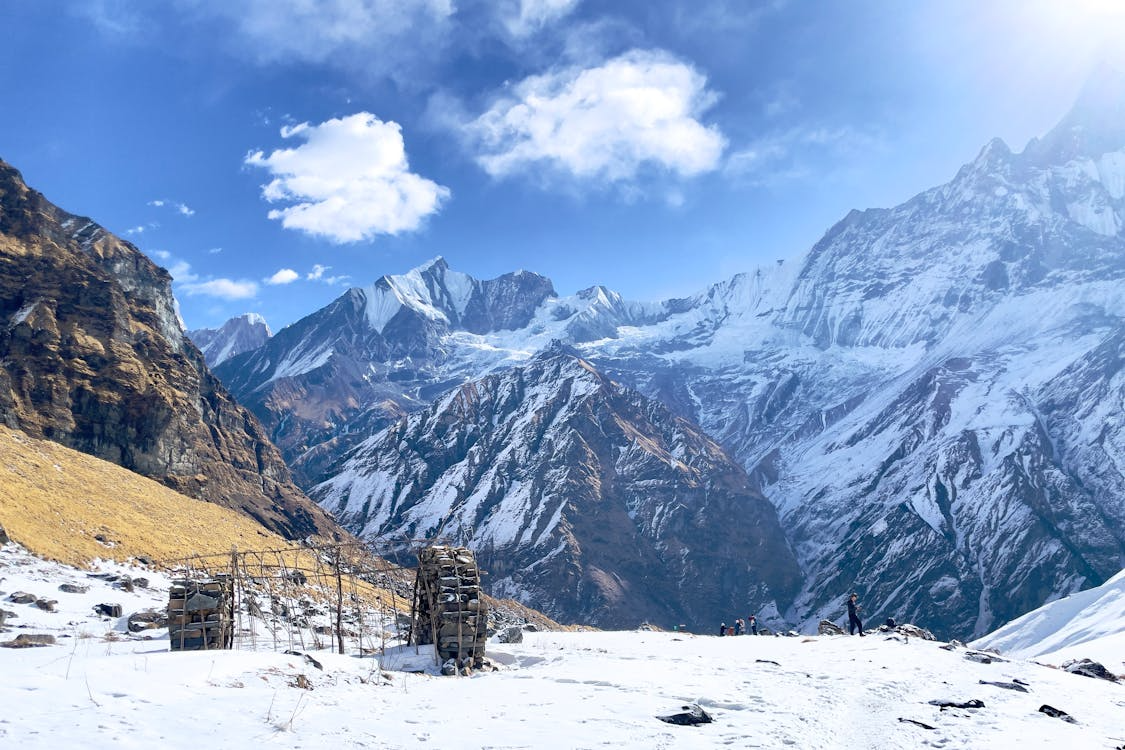
Mardi Himal gives a completely different aesthetic. Instead of looking at the mountains from a distance, you are literally walking right up a narrow mountain ridge on the shoulder of the massive peaks themselves.
As you climb higher past Forest Camp and Low Camp, the deep river valleys drop away steeply on both sides. The visual landscape here is incredible. You see breathtaking close views of Machhapuchhre (Fishtail), Annapurna South, and Hiunchuli. The mountains feel so close that you can almost reach out and touch the ice walls.
Pikey Peak vs Mardi Himal Difficulty: How Hard Is the Hike?
Hiking and Physical Difficulty
Pikey Peak Difficulty
The Pikey Peak trek consists of gradual, easy ascents over winding hills and dirt paths. While the daily walking distances can be long, lasting often 5 to 7 hours and covering 14 to 20 kilometers, the trails are wide and manageable. It feels more like a long gradual trek rather than steep climb, making it very comfortable for older trekkers, beginners, and family trekking. Therefore, Pikey Peak trek is considered relatively less harder.
Mardi Himal Difficulty
Mardi Himal is a much steeper climb, so don't let the shorter total distance trick you. The trail starts climbing almost immediately from Kande and keeps pointing straight up the ridge. The final stretch from High Camp to the Base Camp viewpoint is rugged and steep. It requires strong knees, good quad muscles, and strong lungs to handle the non-stop step climbing and the steep descent back down.
Altitude Sickness Risk
Pikey Peak Trek Altitude Sickness Risk
During the Pikey Peak trek, because the climb is gradual and maxes out at 4,065 meters, your body has plenty of time to get used to the changing air pressure. The risk of altitude sickness is low, making it very safe for less experienced or inexperienced trekkers.
Mardi Himal Trek Altitude Sickness Risk
During the Mardi Himal trek, the trail goes up into a high-altitude region very quickly. You climb from Pokhara's low valleys to High Camp (3,580 meters) and then straight to Mardi Himal Base Camp at 4,500 meters in just a few days. Because the vertical climb is so fast, there is a moderate risk of mild altitude sickness. It is completely safe if you take your time, but you must pace yourself carefully.
Cultural Experiences: Sherpa Monasteries vs. Gurung Village Homestays
Pikey Peak (Lower Solukhumbu Sherpa Culture)
The lower Solukhumbu region is the authentic homeland of the Sherpa people. Unlike the busier Everest Base Camp trail further north, mass tourism has not changed the local way of life here.
The highlight of this route is the deep connection to spiritual life. Near the beautiful village of Junbesi sits the historic Thupten Choling Monastery. Laying away at 2,900 meters, it is home to over 400 monks and nuns, serving as one of the largest Buddhist sanctuaries in the area. Walking through these villages means listening to peaceful morning chants, spinning old prayer wheels, and staying in authentic, untouched family homes.
Mardi Himal (Annapurna Gurung & Magar Hospitality)
The lower slopes of the Mardi Himal trail are populated by the Gurung and Magar communities. This trek is famous for its wonderfully organized, community-owned homestay networks in villages like Lwang and Siding.
Here, you get a beautiful look into rural Nepalese farming life. You will walk past terraced green rice fields and millet crops in the lower valleys before climbing past the tree line into the wild alpine pastures where local herds graze. The villages are lively, and the hospitality often includes local cultural dances and fresh, home-cooked Nepali cuisine.
Woods and Wildlife
Both routes show off Nepal’s incredible nature, changing beautifully as you climb.
The Rhododendron Forests: If you trek in the spring (March to May), both routes offer spectacular walks through thick rhododendron forest tunnels. On Pikey Peak, the vibrant pink, red, and white blossoms stand out against a backdrop of distant white peaks. On Mardi Himal, entire hillsides burst into bright scarlet colors right below the rock spikes of Machhapuchhre (the Fishtail).
Wildlife Spotting: The quiet paths of Pikey Peak are excellent for peaceful birdwatching. Mardi Himal, being part of the protected Annapurna Conservation Area, is packed with wildlife. You are highly likely to spot langur monkeys swinging in the trees and the colorful Danphe (the Himalayan Monal, which is Nepal’s national bird), and if you look at the high rocky cliffs near base camp, you might even spot the wild Himalayan Tahr (mountain goat).
Logistics, Permits, and Cost Breakdown
How you get to the trailheads and your overall budget differ quite a bit between the two regions.
Quick Cost & Travel Comparison
Pikey Peak trek: Longer overland drive from KTM, slightly higher transport costs. Budget-friendly packages typically cost US$600-$750.
Mardi Himal trek: Fast Pokhara access, budget-friendly packages (US$350 - $600)
Getting to the trek starting point
Pikey Peak trek: It requires a bit more effort to reach from Kathmandu. You will either take an 8- to 10-hour public bus or private jeep ride along winding mountain roads to Dhap, or catch a short flight to the small airport in Phaplu.
Mardi Himal trek: It is very easy and fast to access. It starts right near Pokhara. The trailhead at Kande is just a short 45-minute drive from Pokhara Lakeside, making local transport cheap and simple.
Permit Requirements
Permits are seamlessly pre-arranged by your trekking agency and handled by the guide on the trail. So you don’t really need to worry about these. However, it is always good to know what permits are actually required for these two treks.
Pikey Peak trek permits: Depending on your route, you generally need a Local Area Permit directly in the Solukhumbu region (NPR 2,000) or a local national park permit, which bypasses the standard TIMS system on specific routes.
Mardi Himal trek permits: Foreign travelers must secure an Annapurna Conservation Area Project (ACAP) permit (NPR 3,000) along with a TIMS Card (NPR 2,000).
Accommodation and Food Facilities
Pikey Peak trek Teahouses: The teahouse facilities here are generally basic, cozy, and highly authentic. Rooms are pretty decent and offer hearty meals like fresh Dal Bhat, eggs, and porridge, keeping daily food costs around $15 to $25 a day.
Mardi Himal trek Teahouses: The lodges along the high ridge are very well-run but get quite simple and cozy the higher you climb. Because all food and water must be carried up the steep ridge manually, food prices naturally increase as you get closer to High Camp. Standard 5-day packages for Mardi Himal usually run between $350 and $600, making it a highly cost-effective option.
Pikey Peak vs Mardi Himal itinerary 5 days
Pikey Peak trek itinerary 5 days (Kathmandu to Kathmandu)
Day 1: Kathmandu to Dhap Bazaar (drive) → Drive from Kathmandu to Dhap Bazaar by jeep or van (6–9 hours, depending on road conditions). Overnight in Dhap (2850–2930 m), short walk around the village to acclimatize.
Day 2: Dhap Bazaar to Jhapre → Trek Dhap to Jhapre (4–6 hours) through rhododendron and pine forests, passing small Sherpa villages and terraced fields; altitude around 2800–2920 m at Jhapre. Overnight in a teahouse in Jhapre; evening cultural village walk.
Day 3: Jhapre to Pikey Base (or Pikey Viewpoint approach) → Trek Jhapre to Pikey Base/Junbesi area (4–6 hours), gaining higher alpine terrain; reach approximate base area (3,400–3,640 m) depending on exact route.
Day 4: Pikey Peak early ascent and return toward Dhap/Jhapre → Early start before sunrise to summit Pikey Peak (approx. 4,065 m) for sunrise and panoramic views of Everest, Lhotse, Makalu, Kanchenjunga and more; summit timing 1–3 hours from base depending on fitness. After sunrise, descent to Pikey Base, then trek down toward Jhapre or Dhap (4–6 hours total descent and transfers). Overnight in Jhapre/Dhap.
Day 5: Return Dhap to Kathmandu (drive) → Drive back from Dhap/Jhapre to Kathmandu (6–9 hours by jeep/van), arriving in Kathmandu by evening. End of trek; transfer to hotel or airport as needed.
Mardi Himal trek itinerary 5 days (Pokhara to Pokhara)
Day 1: Pokhara to Kande then Forest Camp (drive + trek) → Drive from Pokhara to Kande by jeep or van (about 1.5–2 hours, depending on road conditions), then trek Kande to Forest Camp (4–5 hours) through rhododendron and pine forests, passing small Gurung and Magar villages and terraced fields; altitude around 2,600 m at Forest Camp. Overnight in a teahouse at Forest Camp; evening cultural village walk.
Day 2: Forest Camp to Badal Danda (Low Camp) → Trek Forest Camp to Badal Danda/Low Camp (5–6 hours) gaining higher alpine terrain and open ridges; altitude around 3,210 m at Badal Danda with panoramic views of Machhapuchhre, Annapurna South, Hiunchuli, and Dhaulagiri. Overnight in a teahouse at Badal Danda/Low Camp; evening views of the Annapurna range.
Day 3: Badal Danda to High Camp → Trek Badal Danda to High Camp (3–4 hours), continuing through alpine meadows and sparse forest; altitude around 3,550 m at High Camp, the last stop before Mardi Himal Base Camp. Overnight in a teahouse at High Camp; short acclimatization walk and evening views of Mardi Himal and the Annapurna range.
Day 4: High Camp to Mardi Himal Base Camp then descend to Sidhing → Early start before sunrise for a short climb to Mardi Himal viewpoint or Base Camp (approx. 4,200–4,250 m) for sunrise and panoramic views of Mardi Himal, Machhapuchhre, Annapurna South, Hiunchuli, and Dhaulagiri; return to High Camp, then trek down to Sidhing (5–6 hours total from High Camp). Overnight in Sidhing (1,650–1,750 m); rest and relax.
Day 5: Sidhing to Pokhara (drive) → Drive back from Sidhing to Pokhara (about 1.5–2 hours by jeep/van), arriving in Pokhara by late morning or early afternoon. End of trek; transfer to hotel or airport as needed.
Pikey Peak vs Mardi Himal itinerary 7 days
Pikey Peak trek itinerary 7 days (Kathmandu to Kathmandu)
Day 1: Kathmandu to Dhap Bazaar (drive) → Drive from Kathmandu to Dhap Bazaar (2,900 m) by jeep/van, 7–9 hours via Okhaldhunga. Overnight in Dhap; short village walk to acclimatize.
Day 2: Dhap Bazaar to Jhapre → Trek Dhap to Jhapre (2,800–2,920 m), 4–5 hours, through rhododendron and pine forests and small Sherpa villages. Overnight in a teahouse in Jhapre; evening cultural walk around the village.
Day 3: Jhapre to Pikey Peak Base Camp → Trek Jhapre to Pikey Peak Base Camp (3,640 m), 5–6 hours, gaining alpine terrain and open ridges. Overnight at Base Camp (or nearby lodges); early dinner and rest to prepare for the summit push.
Day 4: Pikey Peak summit and descent to Kande (or Jase Bhanjyang) → Early ascent to Pikey Peak summit (4,065 m), 1–3 hours from base, for sunrise and panoramic views of Everest, Lhotse, Makalu, Kanchenjunga, Annapurna range, and more on clear days. After sunrise, descend to Base Camp and continue trekking to Kande ( around 3,500 m) or Jase Bhanjyang (2,500–2,600 m), 4–5 hours total from summit. Overnight in Kande/Jase Bhanjyang teahouse.
Day 5: Kande/Jase Bhanjyang to Junbesi (Jyung) → Trek to Junbesi (around 2,600 m), 4–5 hours, passing traditional Sherpa villages, monasteries, and terraced farming landscapes. Junbesi is a culturally rich village with gompas and views; relax and acclimatize. Overnight in Junbesi.
Day 6: Junbesi to Phaplu → Trek Junbesi to Phaplu (2,300–2,800 m depending on final stop), 4–5 hours, through forests and villages, ending in the bustling town of Phaplu. Phaplu has a small airport, monasteries, and teahouses; time to rest and explore. Overnight in Phaplu.
Day 7: Phaplu/Dhap drive to Kathmandu → Drive from Phaplu (or Dhap) to Kathmandu, 7–9 hours by jeep/van. Arrive in Kathmandu by evening; end of trek.
Mardi Himal trek itinerary 7 days (Pokhara to Pokhara)
Day 1: Pokhara to Kande then Pitam Deurali (drive + trek) → Drive from Pokhara to Kande by jeep or van (about 1.5–2 hours, depending on road conditions), then trek Kande to Pitam Deurali (4–5 hours) through rhododendron, oak, and maple forests, passing small Gurung and Magar villages and terraced fields; altitude around 2,100 m at Pitam Deurali with views of the Annapurna range if the weather is clear. Overnight in a teahouse at Pitam Deurali; evening cultural village walk.
Day 2: Pitam Deurali to Forest Camp → Trek Pitam Deurali to Forest Camp (5–6 hours), continuing mostly inside forest with oak, maple, rhododendron, and hemlock trees; possible sightings of deer and monkeys, and gentle ascents through green hills. Overnight in a teahouse at Forest Camp (around 2,600–2,700 m); rest and prepare for higher altitude days.
Day 3: Forest Camp to Low Camp (Badal Danda) → Trek Forest Camp to Low Camp/Badal Danda (3–4 hours), a relatively easy section with a junction where the Siding trail meets; from Badal Danda enjoy 360° panoramic views of Machhapuchhre (Fishtail), Annapurna South, Hiunchuli, and Dhaulagiri. Overnight in a teahouse at Badal Danda/Low Camp (around 3,210 m); evening mountain views.
Day 4: Badal Danda to High Camp → Trek Badal Danda to High Camp (2–3 hours) through treeless grassland with isolated rhododendron bushes, possibly seeing the colorful Danphe pheasant; High Camp offers superb views of Annapurna South, Hiunchuli, Machhapuchhre, and Mardi Himal. Overnight in a teahouse at High Camp (3,550 m); short acclimatization walk and early dinner.
Day 5: High Camp to Mardi Himal Base Camp/Viewpoint then back to High Camp → Early start before sunrise (around 4 AM) to hike to Mardi Himal Base Camp or Viewpoint (approx. 4,200–4,250 m), 2 hours to the viewpoint station, then narrow path to upper viewpoint; sunrise views of Mardi Himal, Machhapuchhre, Annapurna South, Hiunchuli, Annapurna I, Baraha Shikhar, Tent Peak, and Singha Chuli. Return to High Camp for lunch, then trek down to Badal Danda (1.5 hours); total 8–9 hours from High Camp to Badal Danda via viewpoint. Overnight in Badal Danda.
Day 6: Badal Danda to Landruk → Descend Badal Danda to Forest Camp using the same route, then from Forest Camp follow a different trail to Landruk (6–7 hours total), passing Rest Camp or Forest Camp for lunch; Landruk is a traditional Gurung village with terraced fields and views. Overnight in a teahouse in Landruk; evening cultural exploration.
Day 7: Landruk to Siwai then Pokhara (trek + drive) → Short trek Landruk to Siwai (1.5–2 hours), then private taxi or jeep drive Siwai to Pokhara (about 1–1.5 hours depending on traffic), arriving in Pokhara by late morning or early afternoon. End of trek; transfer to hotel or airport as needed.
Best Time to Trek: Weather and Season Guide
The high mountain weather determines exactly how clear your mountain views will be.
Autumn (September to November): This is the ultimate peak season for both treks. The post-monsoon air is very clean that gives you an 80% to 90% chance of perfectly unclouded skies. Daytime temperatures are comfortable, though nights are quite cool.
Spring (March to May): A beautiful season characterized by mild, warmer weather and gorgeous blooming flowers. It's the best time to see the rhododendron forests in full color.
Winter (December to February): Expect freezing cold temperatures and possible snow on the high trails. However, if you bring warm clothes and microspikes for slippery patches, the winter skies are exceptionally clear and the trails are completely empty.
Monsoon (June to August): This season is generally not recommended for trekking in Nepal. Heavy rains make the trails muddy, landslides can cause road delays, and clouds will likely hide the mountains completely.
The Final Verdict: Which Short Trek Should You Choose?
Both paths are exceptional alternatives to the classic crowded routes, but they appeal to different styles of travel.
Choose Pikey Peak if you want a gradual, beginner-friendly hiking pace, prefer quiet paths away from crowd, love deep cultural interactions with Sherpa communities, and want to see a spread, wide panorama of Mount Everest and the eastern Himalayas.
Choose Mardi Himal if you are short on time, want a fast and budget-friendly trip starting right out of Pokhara, enjoy the thrill of walking along high, narrow ridges, and want dramatic, face-to-face views of giant mountains.
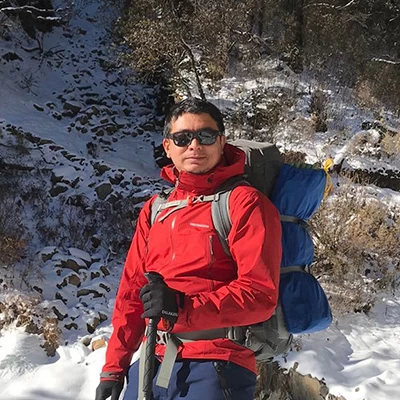
Mr. Lachhuman Tamang – A Pioneer in Trekking and Mountaineering
Call us on WhatsApp+977 9860455963OrChat with us