Planning a Kailash Mansarovar Yatra? Discover the best time to visit Mount Kailash and Lake Mansarovar with detailed information about weather, temperature, rainfall, road conditions, and seasonal differences from May to September.
Best Time for Kailash Mansarovar Yatra: Weather, Temperature & Seasonal Guide
Table of Contents
Kailash Mansarovar Yatra is one of the most sacred pilgrimage journeys in the world. Every year, thousands of pilgrims and adventure travelers visit Mount Kailash and Lake Mansarovar to experience the spiritual significance and natural beauty of the Tibetan Plateau.
One of the most common questions travelers ask is: What is the best time for Kailash Mansarovar Yatra?
The short answer is that the yatra season typically runs from May to September, with May, June, and September generally considered the best months due to stable weather and clearer mountain views.
However, each month offers a different experience. Understanding the weather, temperature, and seasonal conditions can help you choose the right departure date.
Kailash Mansarovar Weather Overview
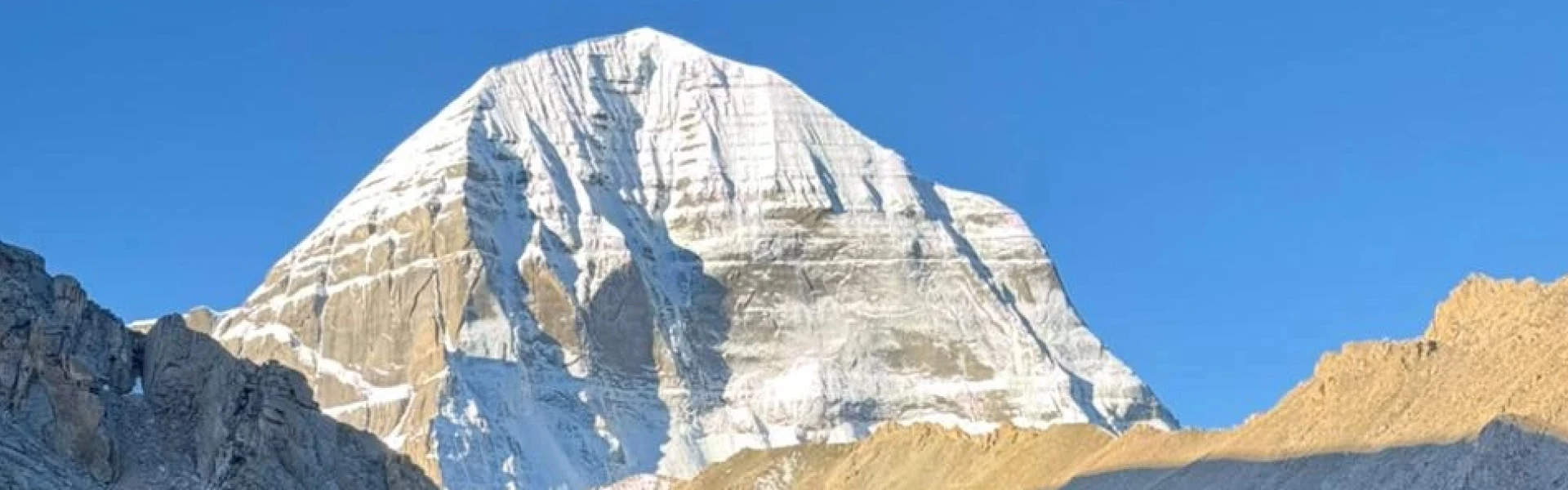
Mount Kailash and Lake Mansarovar are located in western Tibet at an altitude of around 4,500 to 5,600 meters above sea level.
Because of the high elevation, the weather remains cold throughout the year. Temperatures can change quickly within the same day. Even during summer, mornings and nights can be quite cold.
During the pilgrimage season, daytime temperatures are usually manageable, but travelers should always be prepared for cold winds, sudden snowfall, and changing weather conditions.
Typical Temperature During Yatra Season
Month | Day Temperature | Night Temperature |
May | 5°C to 15°C | -5°C to 2°C |
June | 8°C to 18°C | 0°C to 5°C |
July | 10°C to 20°C | 3°C to 8°C |
August | 10°C to 20°C | 3°C to 8°C |
September | 5°C to 15°C | -2°C to 5°C |
These are approximate values. Actual temperatures vary depending on exact location, altitude, and daily conditions. Darchen base area feels slightly warmer than higher points on the kora.
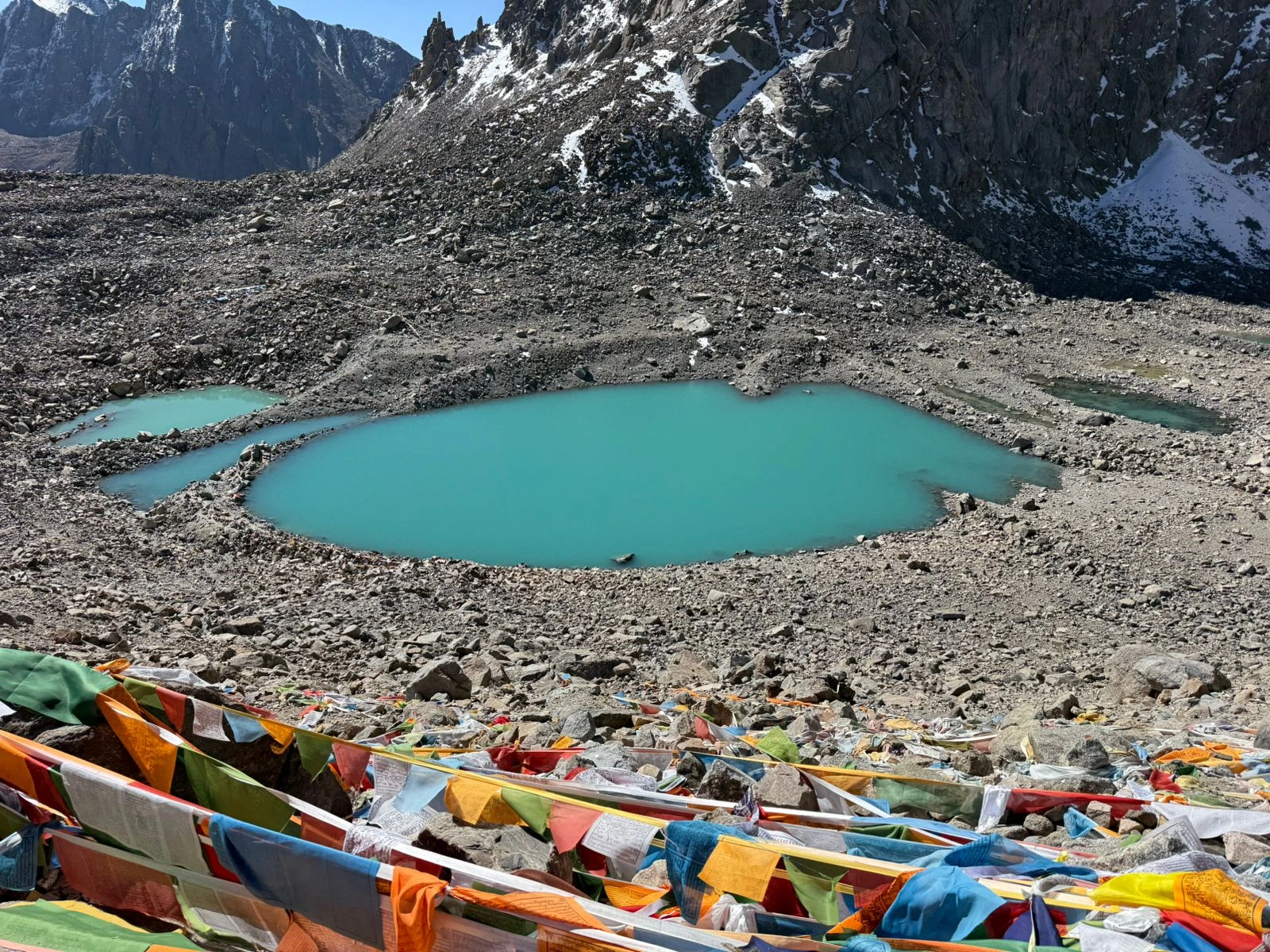
Best Months for Kailash Mansarovar Yatra
May: Beginning of the Yatra Season
May marks the start of most Kailash Mansarovar tours.
The weather begins to warm up after the harsh Tibetan winter. Skies are often clear, providing excellent views of Mount Kailash and the surrounding landscape.
Some advantages of traveling in May:
Fewer crowds
Clear mountain views
Pleasant daytime temperatures
Lower chances of rainfall
The main drawback is that nights can still be very cold, especially at higher elevations.
For travelers who prefer quieter routes and photography opportunities, May is an excellent choice.
June: One of the Best Months to Visit
June is often considered one of the best months for Kailash Mansarovar Yatra.
Road conditions are generally good, temperatures become more comfortable, and the region remains relatively dry.
The weather is usually stable, making travel and trekking more enjoyable. Pilgrims performing the Kailash Kora often find June to be an ideal balance between comfort and scenery.
Benefits of June include:
Stable weather
Moderate temperatures
Good road conditions
Excellent visibility
Because of these favorable conditions, many organized groups schedule departures during this month.
July and August: Peak Season
July and August are among the busiest months for Kailash Mansarovar Yatra.
These months coincide with summer holidays in many countries and generally offer the warmest temperatures of the year.
The landscape around Lake Mansarovar appears vibrant, and travel conditions are usually comfortable.
However, travelers should be aware that this period also overlaps with the monsoon season in Nepal.
While Tibet itself receives relatively little rainfall, roads on the Nepal side may occasionally experience delays due to rain-related conditions.
Advantages of July and August:
Warmest temperatures
Active pilgrimage season
Comfortable trekking conditions
More group departure options
Potential disadvantages:
Larger crowds
Possible weather-related delays in Nepal
Slightly less predictable mountain visibility
If you prefer warmer weather and do not mind traveling with larger groups, July and August can still be excellent months for the yatra.
September: Clear Views and Pleasant Weather
Many experienced travelers consider September one of the best times for Kailash Mansarovar Yatra.
After the monsoon period begins to weaken, skies often become clearer again. The air is fresh, visibility improves, and the surrounding mountains can appear exceptionally beautiful.
September offers:
Crisp mountain views
Fewer crowds than peak summer
Stable travel conditions
Comfortable daytime temperatures
The weather gradually becomes colder toward the end of the month, especially during nighttime.
For photographers and travelers seeking clearer views of Mount Kailash, September is often a top recommendation.
Is Kailash Mansarovar Yatra Possible in Winter?
Most organized Kailash Mansarovar tours do not operate during winter.
From October onward, temperatures drop significantly across western Tibet. Heavy snowfall and harsh weather can make travel difficult, especially around high mountain passes.
Winter temperatures can fall well below freezing, making trekking and pilgrimage activities challenging.
For this reason, the majority of pilgrims visit between May and September.
Which Month Has the Best Weather?
If weather is your primary concern, June and September are generally considered the most favorable months.
These months often provide:
Clear skies
Better mountain visibility
Comfortable temperatures
Lower chances of travel disruptions
Many repeat travelers specifically choose these periods for a more balanced experience.
Best Time for Kailash Kora
The Kailash Kora is the sacred circumambulation around Mount Kailash. It is one of the most physically demanding parts of the journey.
For completing the Kora comfortably, June through September is generally recommended.
The trail crosses Dolma La Pass at approximately 5,630 meters. Weather conditions at this altitude can change rapidly regardless of the month.
Proper acclimatization remains essential throughout the pilgrimage.
Practical Tips for Your Journey
Prepare for big temperature swings between day and night. Carry layers that you can add or remove easily. A good down jacket, thermal innerwear, trekking shoes, and sunglasses are must-haves.
Stay hydrated and follow a slow pace during the parikrama. Many groups arrange medical support and oxygen if needed.
Stay updated from tour operators in Nepal or Tibet on the latest information on permits and schedules.
Book your trip with experienced operators like Moon Himalaya Adventure who know current conditions. They can adjust plans if weather turns bad.
What to Pack for Different Seasons
Even during the warmest months, travelers should prepare for cold temperatures.
Recommended clothing includes:
Thermal base layers
Insulated jacket
Waterproof outer layer
Warm gloves
Woolen hat
Sunglasses
Comfortable trekking boots
Layering is the best approach because temperatures can vary significantly throughout the day.
Final Thoughts
The best time for Kailash Mansarovar Yatra is generally between May and September, with June and September often offering the most favorable balance of weather, visibility, and travel conditions.
If you prefer fewer crowds and clear mountain views, May and September are excellent choices. If you prefer warmer temperatures and more group departure options, July and August may suit you better.
Regardless of when you travel, proper preparation, acclimatization, and a reliable tour operator are essential for a safe and meaningful pilgrimage experience.
If you are planning your Kailash Mansarovar Yatra, choosing the right season can make a significant difference in both comfort and overall experience.
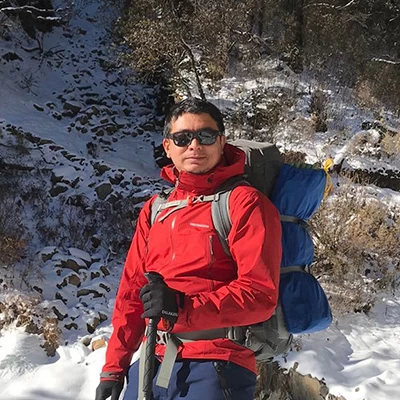
Mr. Lachhuman Tamang – A Pioneer in Trekking and Mountaineering
Call us on WhatsApp+977 9860455963OrChat with us