After more than two decades of guiding, 300+ treks and 150+ climbing journeys, Lachhuman Tamang shares seven lessons about understanding trekkers, making decisions in the mountains and leading responsibly.
7 Lessons From the Trail: What More Than Two Decades of Guiding Have Taught Me
Table of Contents
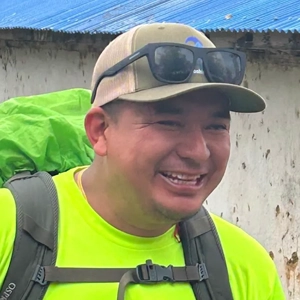
I started working in Nepal’s trekking industry at 13, beginning as a porter on camping treks. Over the years, I worked through different roles, starting as a kitchen boy and assistant guide before becoming a trekking guide, mountain guide and mountain leader. Eventually, I became an International Mountain Leader.
Since then, I have led more than 300 treks and over 150 climbing journeys, with experience in Nepal, Tibet and Europe.
The mountains have taught me a great deal about routes, altitude and changing conditions. But some of the most important lessons have been about people.
No two people arrive in the Himalayas with the same experience, fitness, confidence or expectations. And good mountain leadership is not only about knowing the route. It is about understanding the people you are responsible for and making decisions based on what is actually happening on the trail.
These are seven lessons that have stayed with me after more than two decades of guiding.
1. No Two Trekkers Are the Same
One of the biggest things I have learned is that you cannot guide every person in exactly the same way.
People come from many countries, cultures and environments. Their fitness, trekking experience and expectations can vary considerably.
Two people can follow exactly the same itinerary and have completely different experiences. One may feel comfortable with the pace, while another needs more time. One may already have experience at altitude, while another is experiencing it for the first time.
An itinerary gives us a plan, but it cannot tell us exactly how each person will cope once the trek begins.
So I pay attention to the individual, not only the schedule.
This becomes even more important when I am planning a private or customized journey. Before designing the trip, I try to understand the traveler first rather than beginning with the itinerary.
The route may be the same, but the way we approach it does not always have to be.
2. Pace Matters More Than Pride
Many people arrive in Nepal physically fit and confident in their ability to walk.
That certainly helps. But trekking at high altitude is very different from walking or exercising at lower elevations.
One mistake some first-time trekkers make is expecting to move at the same pace they are used to back home.
At altitude, a guide needs to watch the group's pace carefully.
During an Everest Base Camp journey with participants living with one kidney, part of my responsibility was to keep a close eye on how everyone was walking and responding throughout the trek. Their food and diet also needed careful attention.
That experience reinforced something I have seen many times over the years: walking faster does not always mean walking better.
Sometimes that means encouraging someone to keep going. Other times, it means asking them to slow down.
The goal is not to see how quickly somebody can reach the next stop. I would rather keep a sensible pace, watch how people are responding and give the body time to adjust as we gain altitude.
3. Tell Your Guide How You Are Feeling
Good communication between a trekker and a guide is extremely important in the mountains.
One thing people sometimes underestimate is how important it is to tell the guide how they are actually feeling.
Some travelers hide a health condition or hesitate to say when something does not feel right. They may not want to worry the group or feel like they are slowing everyone down.
But a guide needs the right information to make the right decisions.
I always encourage people to speak openly about their health and how they are feeling, especially as we move higher.
The more clearly a guide understands what is happening, the better they can decide what that person needs at that moment.
And that communication should not begin only after something goes wrong. Sharing important health information before the trek gives the guide a much better understanding of the person they will be responsible for.
4. Reaching the Destination Is Not Always the Right Decision
Most people begin a trek with a goal.
It may be Everest Base Camp, a high mountain pass, a summit or simply completing a particular route. Having that goal is a strong source of motivation.
But the mountains do not always follow our plans.
As you climb higher, the body needs time to acclimatize. Sometimes taking an extra rest is the right decision. If someone develops symptoms of altitude sickness or another health problem, going down may become necessary.
A mountain leader has to be ready to decide whether the group should continue, rest or descend.
That decision cannot depend only on what the itinerary says.
It has to depend on the person's condition and what is happening on the mountain at that moment.
These decisions are not always easy.
People may have travelled a long way and spent a lot of time preparing for the trek. Naturally, they want to reach the destination they came for.
But safety has to come first.
Changing the plan does not always mean the trek has failed. Sometimes changing the plan is simply the right decision in the mountains.
5. Preparation Is More Than Being Fit
Physical preparation is important for trekking and climbing, but fitness alone cannot prepare you for everything you may experience in the Himalayas.
Altitude is only one part of the challenge.
There is also the mental side of spending many days on the trail, adjusting to unfamiliar conditions and continuing when a day becomes harder than expected.
When I prepare people for demanding or high-altitude journeys, I think about their acclimatization, physical preparation, mental confidence and whether they know how to use their equipment properly.
Knowing your equipment may sound like a small thing, but the trail is not the best place to discover for the first time how an important piece of gear works.
Good preparation should remove as many avoidable problems as possible before the difficult part of the journey begins. But preparation also means understanding that you may need to adjust once you are on the mountain.
Being prepared means being ready to adapt, not just being ready to walk.
6. A Mountain Leader Has to Be More Than a Guide
Knowing the trail is essential, but mountain leadership is about more than showing people where to go.
Different situations require different kinds of support.
Sometimes a client needs a leader who gives clear instructions. Sometimes they need someone who listens. At other times, a guide may need to be more like a friend, guardian or caretaker.
It depends on the person and what they are going through at that moment.
People get tired. They may become unsure of themselves or uncomfortable. They are often far outside the environment they normally live in.
A good leader needs to recognize what kind of support that person needs at that time.
But being friendly does not mean avoiding difficult decisions.
There are times when a guide has to be very clear about the pace, rest, altitude or whether somebody should continue.
The responsibility is not simply to keep everybody happy.
It is to lead the group responsibly.
7. Good Guiding Starts Before the First Step on the Trail
Many of the most important decisions are made before the trek even begins.
The better I understand the people travelling with me, the better I can prepare for the journey.
That includes knowing about their health, regular medication, allergies and dietary requirements. It also means thinking carefully about the itinerary, accommodation, food and the support team needed for that particular group.
Some travelers may need a slower pace. Others may have particular food or accommodation requirements. Previous trekking experience can also change the way a journey should be approached.
Good preparation cannot remove all the uncertainty of travelling in the Himalayas. The mountains will always require some flexibility.
But careful planning gives both the guide and the traveler a much stronger starting point when something unexpected happens.
What I Still Pay Attention to After Hundreds of Treks
Experience teaches you many things, but it also teaches you what you should never stop paying attention to.
I still watch how people are walking.
I still need them to tell me how they are feeling.
I still think carefully about whether the group should continue, rest or change the plan.
And I still remind myself that the person in front of me may need something completely different from the person I guided before them.
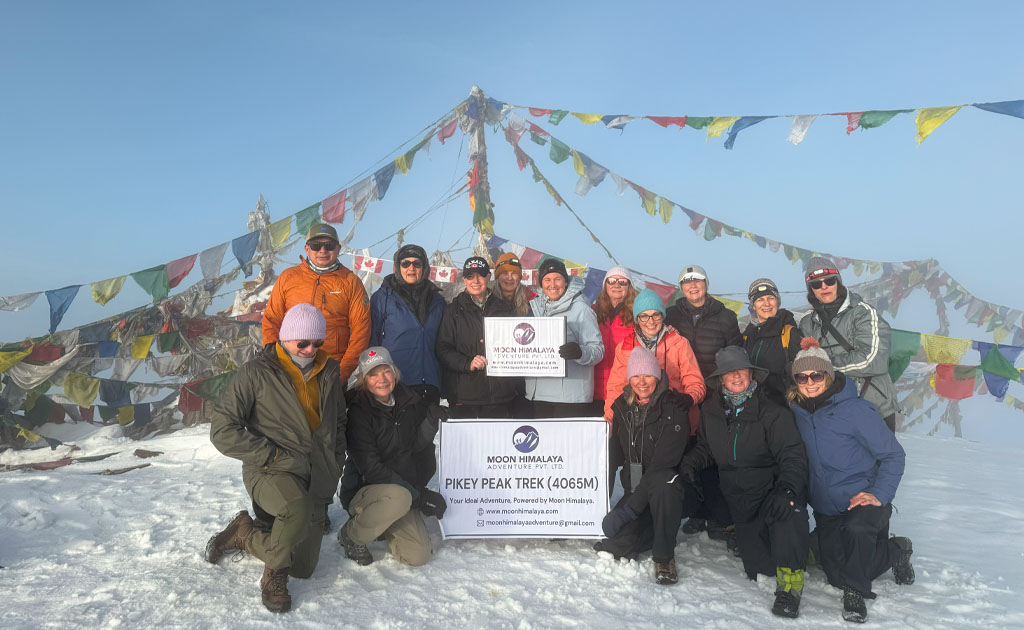
After more than 300 treks, that may be the most important lesson I have learned:
The mountain may be the same, but every person you lead into it is different.
You can study a route. You can prepare an itinerary. You can check the equipment.
But good leadership also depends on observation, communication, judgment and knowing when to adjust the plan.
For me, that responsibility is at the heart of guiding people in the Himalayas.
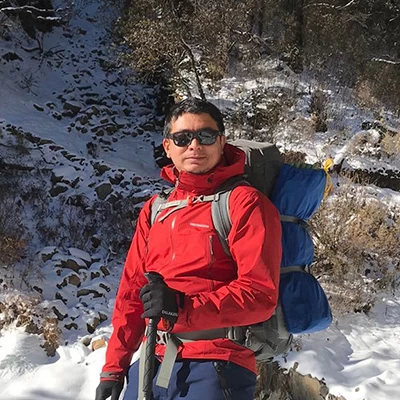
Mr. Lachhuman Tamang – A Pioneer in Trekking and Mountaineering
Call us on WhatsApp+977 9860455963OrChat with us