Planning a Kailash Mansarovar journey? See the weather and temperature by month, from May to October, and learn what conditions to expect around Darchen, Lake Mansarovar and the Kailash Kora.
Kailash Mansarovar Weather by Month: Temperatures and Conditions to Expect
Table of Contents
Kailash Mansarovar is a high-altitude journey, so the weather can feel very different from what the temperature alone suggests.
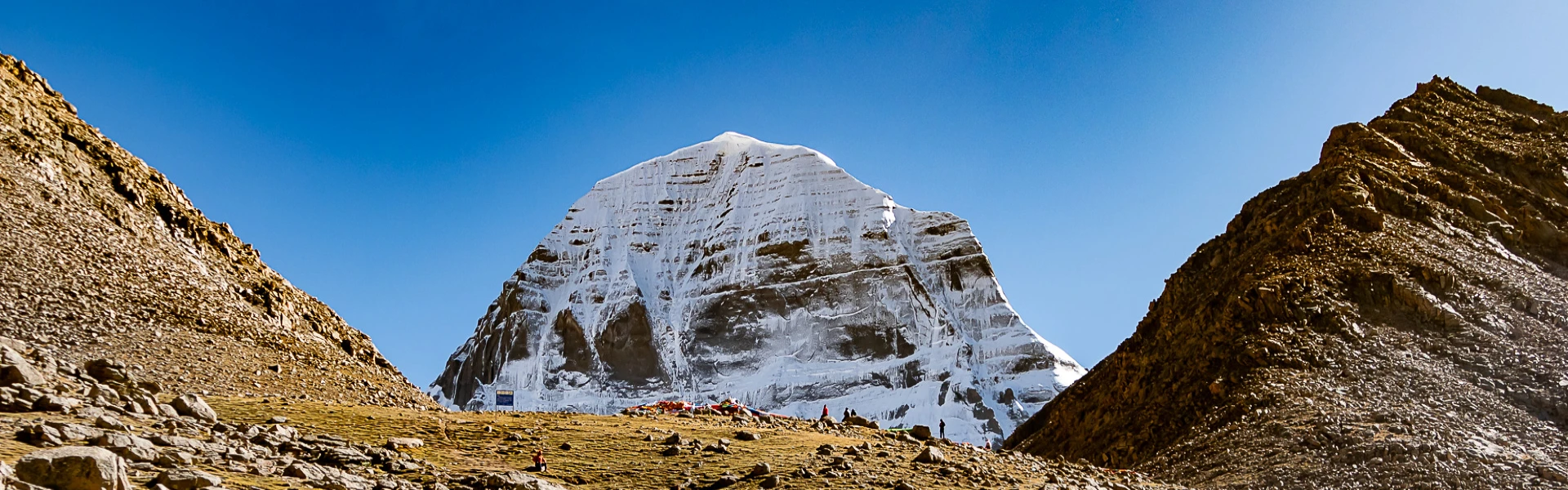
A sunny afternoon around Darchen or Lake Mansarovar may feel comfortable, while an early morning on the Kailash Kora can be below freezing. It gets even colder around Dolma La, the highest point of the Kora at about 5,630 metres.
Most Kailash Mansarovar Yatra take place between May and September, with some trips extending into early October depending on the conditions.
The temperature ranges below are only a general guide, not an exact forecast. Different sources often show different figures because they may refer to different locations, elevations or times of day. There is also limited direct weather data for the Manasarovar Basin itself.
Kailash Mansarovar Weather at a Glance
Here is a general idea of the weather around Darchen and Lake Mansarovar during the main travel season.
| Month | Approx. Daytime | Approx. Night | General Conditions |
|---|---|---|---|
| May | 6–14°C | -6–0°C | Cool, generally dry, snow still possible higher up |
| June | 10–18°C | -3–5°C | Milder days and generally favourable conditions |
| July | 12–20°C | 0–6°C | Warmer, with more cloud and occasional showers |
| August | 11–19°C | 0–5°C | Mild but with more moisture and variable visibility |
| September | 8–15°C | -5–2°C | Cooler, generally clearer and drier |
| Early October | 2–8°C | -10 to -3°C | Cold, with a higher chance of snow and ice |
These are broad temperature ranges rather than guaranteed conditions. The Kailash Kora will usually be colder than Darchen or Mansarovar, especially early in the morning and around Dolma La.
Kailash Mansarovar Weather from May to October
May
The Kailash Mansarovar travel season generally begins in May.
Days can feel comfortable when the sun is out, but mornings and nights are still cold. Temperatures around Darchen can fall below freezing at night.
Higher parts of the Kora may still have snow left from winter, especially around Dolma La. If you travel early in May, expect colder and more wintry conditions than in June.
May is generally dry with good visibility, although the weather can still change quickly at this altitude.
June
June brings milder weather and is one of the more comfortable months for the journey.
Daytime temperatures around Darchen and Mansarovar often reach the low to mid-teens, while nights are less cold than in May. Higher parts of the Kora can still be much colder, especially before sunrise.
Winter snow is usually less of a concern by June, although fresh snow or sudden cold weather is still possible around Dolma La.
June suits travellers looking for warmer temperatures with relatively stable weather.
July
July is one of the warmer months around Kailash Mansarovar, but it also brings more moisture.
Afternoons around Darchen can feel quite mild, and nights at lower Kora elevations are generally warmer than in May or September. However, cloud and occasional showers become more common.
This does not mean constant heavy rain around Kailash. The Tibetan Plateau is much drier than the southern side of the Himalaya.
However, if you are travelling through Nepal, remember that July falls within Nepal's monsoon season. Rain can affect roads, flights and other parts of the journey even when the weather around Kailash itself is reasonable.
August
August remains fairly mild during the day, while nights around Darchen and Mansarovar are still cold.
As in July, more cloud and moisture can make visibility less predictable. Clear periods are still possible, but you should not expect open mountain views every day.
Dolma La remains much colder than the lower areas. Wind and cloud can make the exposed sections feel especially cold.
September
September is cooler than July and August, especially in the mornings and after sunset.
However, it is also generally drier with clearer skies, making it a good choice if mountain visibility matters more to you than warmer temperatures.
Night temperatures around Darchen can fall close to or below freezing, while the higher parts of the Kora can be much colder. An early-morning crossing of Dolma La can feel completely different from a sunny afternoon in Darchen on the same day.
For many travellers, September offers a good balance of clearer weather and manageable conditions, as long as they are prepared for cold mornings and nights.
Early October
By October, temperatures around Kailash drop quickly.
Sunny afternoons can still feel pleasant, but mornings and nights become much colder. Snow and ice also become more likely on the higher parts of the Kora.
Dolma La can be especially cold, and changing weather can have a greater effect on trail conditions.
Some trips may still operate in early October, but it is better to check the current access and weather conditions before planning for this period rather than assuming the route will remain open throughout the month.
From late autumn to early spring, temperatures become much more severe, and this period generally falls outside the usual Kailash travel season.
Why the Temperature Feels Different During the Kailash Kora
A common mistake is to look at the monthly temperature for Kailash Mansarovar and assume the whole journey will feel the same.
It won't.
Darchen sits at around 4,575 meters, while Lake Mansarovar is at a similar elevation. The Kailash Kora then climbs higher, passing overnight areas such as Dirapuk before reaching Dolma La at about 5,630 meters.
That difference in altitude has a big effect on temperature.
A sunny afternoon in Darchen might feel comfortable at 12°C or 15°C. But earlier that same day, while walking toward Dolma La, temperatures can be below freezing.
Wind can make exposed sections feel even colder.
The strong high-altitude sun also creates a noticeable difference. You may feel warm while walking in direct sunlight, then much colder as soon as clouds move in or the sun disappears.
So, use monthly temperature charts as a general guide for the lower areas, not as the temperature you will experience throughout the Kora.
How Weather May Affect Your Journey
Weather around Kailash affects more than just how warm or cold you feel.
Snow and ice can affect the higher parts of the Kora, especially around Dolma La at the beginning and end of the season.
Cloud can block views of Mount Kailash and the surrounding landscape, particularly during the wetter summer months.
Wind can make exposed sections feel much colder than the actual air temperature.
Rain is more likely during July and August. Rainfall around Kailash is generally lighter than on the southern side of the Himalaya, but travellers entering through Nepal may experience much wetter conditions before reaching Tibet.
Weather can also change within a few hours. A clear morning does not guarantee a clear afternoon, and comfortable conditions in Darchen do not mean it will feel the same higher on the Kora.
Monthly weather averages are therefore best used to choose a general travel period, rather than predict the exact weather for your trip.
Which Month Has the Best Weather for Kailash Mansarovar?
There is no single best month for everyone.
If you prefer warmer and relatively stable weather, June is a good choice.
If clearer skies and mountain views matter more to you, September is a strong option, although mornings and nights are colder.
July and August are warmer, but there is a greater chance of cloud, showers and weather-related disruption on the Nepal side of the journey.
May is generally dry, but it is colder and there is a greater chance of snow remaining at higher elevations.
Early October can still have clear days, but temperatures drop sharply and snow and ice become more likely.
For most travellers, the difference is fairly simple:
June for warmer conditions. September for cooler but generally clearer weather.
What Weather Should You Prepare For?
Even during the warmer months, you should be ready for mild sunshine and freezing temperatures during the same trip.
Layering works better than relying on one heavy jacket. You should be able to add or remove layers as the temperature changes throughout the day.
Be prepared for:
- cold mornings and nights
- below-freezing temperatures at higher elevations
- strong wind on exposed sections
- intense high-altitude sunlight
- occasional rain or snow
- quick changes in temperature
A warm insulating layer and a windproof, waterproof outer layer are especially important for the Kora.
Monthly temperatures only tell part of the story. Your location, elevation and the time of day can make a much bigger difference to how the weather actually feels.
Mr. Lachhuman Tamang – A Pioneer in Trekking and Mountaineering
Call us on WhatsApp+977 9860455963OrChat with us