Nar Phu is not usually recommended for complete beginners. Learn how fitness, altitude and your chosen itinerary affect whether this remote Himalayan trek is suitable for your first trekking experience in Nepal.
Is Nar Phu a Good First Trek in Nepal? Fitness, Altitude & What to Expect
Table of Contents
Nar Phu Valley is generally not the best choice for someone who has never done a multi-day mountain trek. The trails are remote, some walking days are physically demanding, and the route takes you above 4,000 meters.
However, if you have experience hiking in the mountains but have never trekked in Nepal, Nar Phu could still be a good option.
Your fitness matters, but so do your previous hiking experience, ability to adjust to altitude and the itinerary you choose.
Here's what you should know before deciding whether Nar Phu is right for you.
What Makes Nar Phu Challenging for a First-Time Trekker?
Nar Phu is more challenging than many popular trekking routes in Nepal, mainly because of its remote location and difficult terrain.
After leaving the main Annapurna Circuit route at Koto, you enter a quieter valley with fewer villages and limited facilities.
You will generally walk around 6–8 hours on most trekking days, although some sections can take longer depending on your pace, itinerary and trail conditions.
For example, the walk from Koto to Meta involves a long uphill climb through forests and rocky terrain. Other sections have narrow paths, suspension bridges, steep climbs and uneven ground.
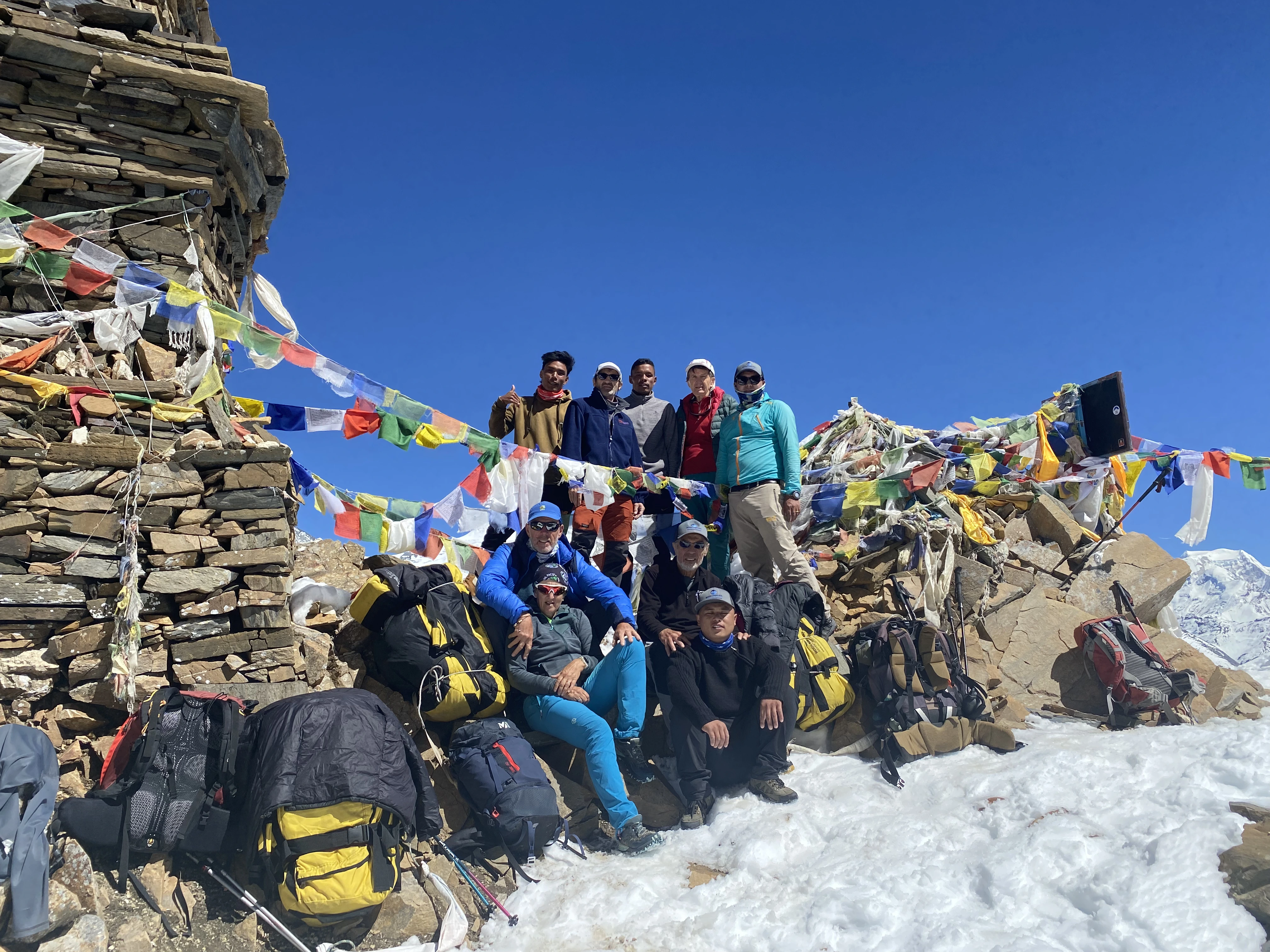
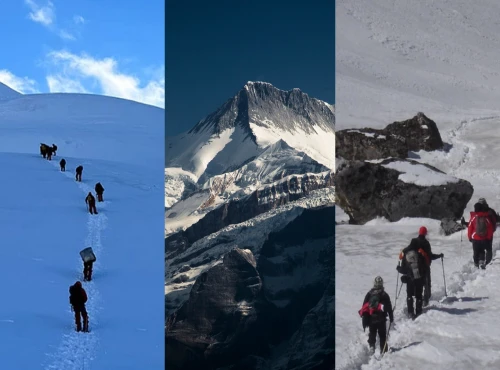
If your itinerary includes Kang La Pass, you will also face a long uphill walk followed by a steep descent towards Ngawal. Loose rocks, snow or ice can make this section even more difficult.
You also need to be prepared to walk for several days in a row. Your legs may still be tired from the previous day, but you will have to continue walking the next morning.
Accommodation is another thing to consider. Teahouses in Nar Phu are relatively basic, with fewer facilities and choices compared to popular routes such as Annapurna Base Camp.
Because the valley is remote, you may not be able to end your trek quickly if you become exhausted or unwell. Reaching a lower village or a place where evacuation is possible may require several more hours of walking.
Experienced mountain trekkers may be comfortable with these conditions. For complete beginners, adjusting to them can be difficult.
How Fit Do You Need to Be for the Nar Phu Valley Trek?
You don't need to be an athlete to complete Nar Phu, but you should have good walking endurance, strong legs and some experience hiking on uneven mountain trails.
Being able to run several kilometers or work out regularly at the gym is helpful, but it doesn't automatically mean you're ready for this trek.
Mountain trekking requires a different kind of fitness.
You will spend hours walking uphill, coming down steep trails and carrying a daypack. You also need enough energy to do this for several days.
A good way to check your fitness is to complete two consecutive days of hiking on hilly terrain before your trip.
Try walking for around 5–7 hours each day while carrying a daypack similar to the one you plan to use in Nepal.
During these hikes, ask yourself:
- Can you maintain a comfortable walking pace without taking too many long breaks?
- Can you walk downhill without significant knee pain or difficulty keeping your balance?
- After hiking for several hours on the first day, can you manage another long walk the following day?
- Are you comfortable walking on rocky and uneven trails?
It's normal to feel tired after a long hike. You don't need to complete these practice hikes without feeling any fatigue.
What matters is whether you can manage the walking and recover enough to continue the next day.
If you struggle with these hikes, spend more time improving your endurance before attempting Nar Phu.
Regular hill walks, stair climbing and leg-strengthening exercises can help. However, actual hiking experience is especially useful because it prepares you for different trail conditions and long walking days.
Even if you pass this fitness check, it doesn't mean you're fully prepared for Nar Phu. You also need to consider the altitude.
Why Is Altitude a Concern Even If You're Physically Fit?
Altitude is one of the main reasons Nar Phu can be difficult for first-time trekkers.
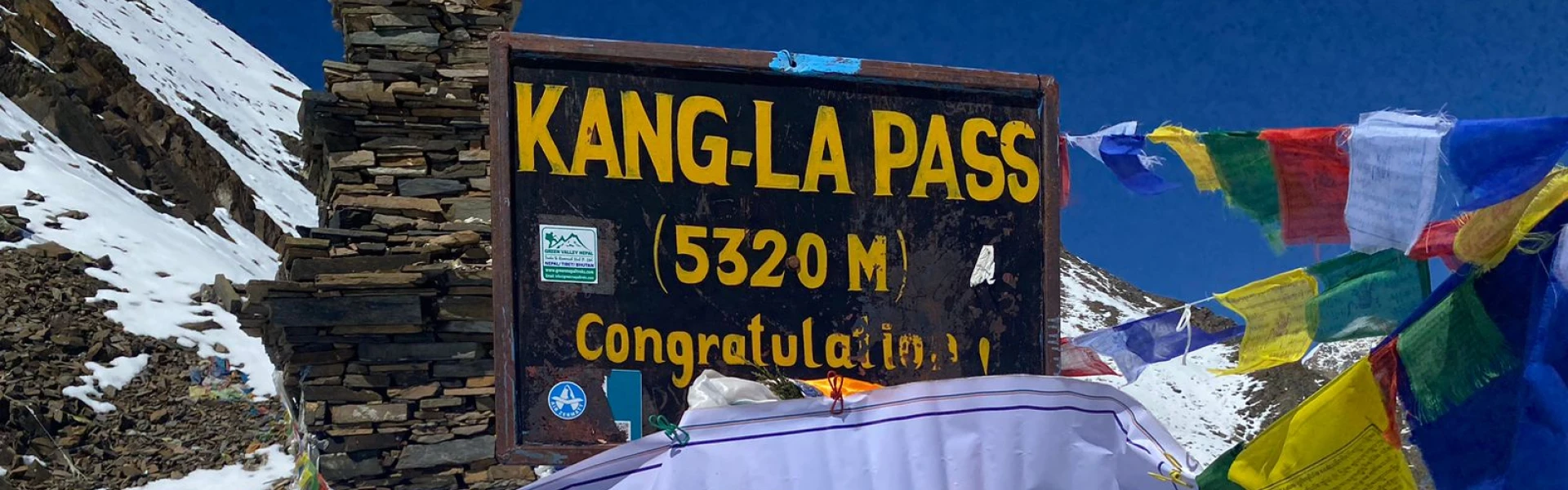
Both Nar and Phu villages are above 4,000 meters, while Kang La Pass reaches approximately 5,320 meters.
At these elevations, your body gets less oxygen with each breath. Walking can feel harder, and you may breathe faster even when moving slowly.
Being physically fit does not protect you from altitude sickness.
Even experienced runners and athletes can develop Acute Mountain Sickness (AMS). Someone with average fitness may adjust to the altitude better than a much fitter person.
According to the CDC's guidance on high-altitude travel, fitness does not determine your risk of altitude illness. How high you go, how quickly you ascend and how your body responds are more important.
This is why you need enough time to acclimatize.
Above 3,000 meters, general guidance recommends increasing your sleeping altitude by no more than around 500 meters per day, with an additional acclimatization night for every 1,000 meters gained.
However, some Nar Phu itineraries involve larger altitude gains.
For example, the journey from Koto (approximately 2,600 m) to Meta (3,560 m) involves gaining almost 1,000 meters in sleeping altitude in a single day.
This is something to consider carefully, especially if you're arriving from a much lower elevation without spending time acclimatizing.
Rest days are helpful, but you should also check how quickly your itinerary gains altitude before those rest days.
You should also know the early symptoms of altitude sickness, including headache, nausea, dizziness and unusual tiredness.
If you develop symptoms, tell your guide immediately. Do not continue ascending to sleep at a higher altitude while experiencing symptoms of altitude sickness.
If symptoms get worse, you need to descend. Confusion, difficulty walking straight or breathlessness at rest requires urgent medical attention and descent.
Good fitness helps you manage the walking, but your body still needs time to adjust to the altitude.
Does Your Nar Phu Itinerary Make a Difference?
Yes. Some Nar Phu itineraries are more demanding than others.
Some routes visit Nar and Phu villages before returning along the same trail. Others cross Kang La Pass and continue towards the Annapurna Circuit.
Longer itineraries may also include Tilicho Lake and Thorong La Pass.
Here's how these options differ.
Nar Phu Valley Without Kang La Pass
You can visit Nar and Phu villages and return towards Koto without crossing Kang La Pass.
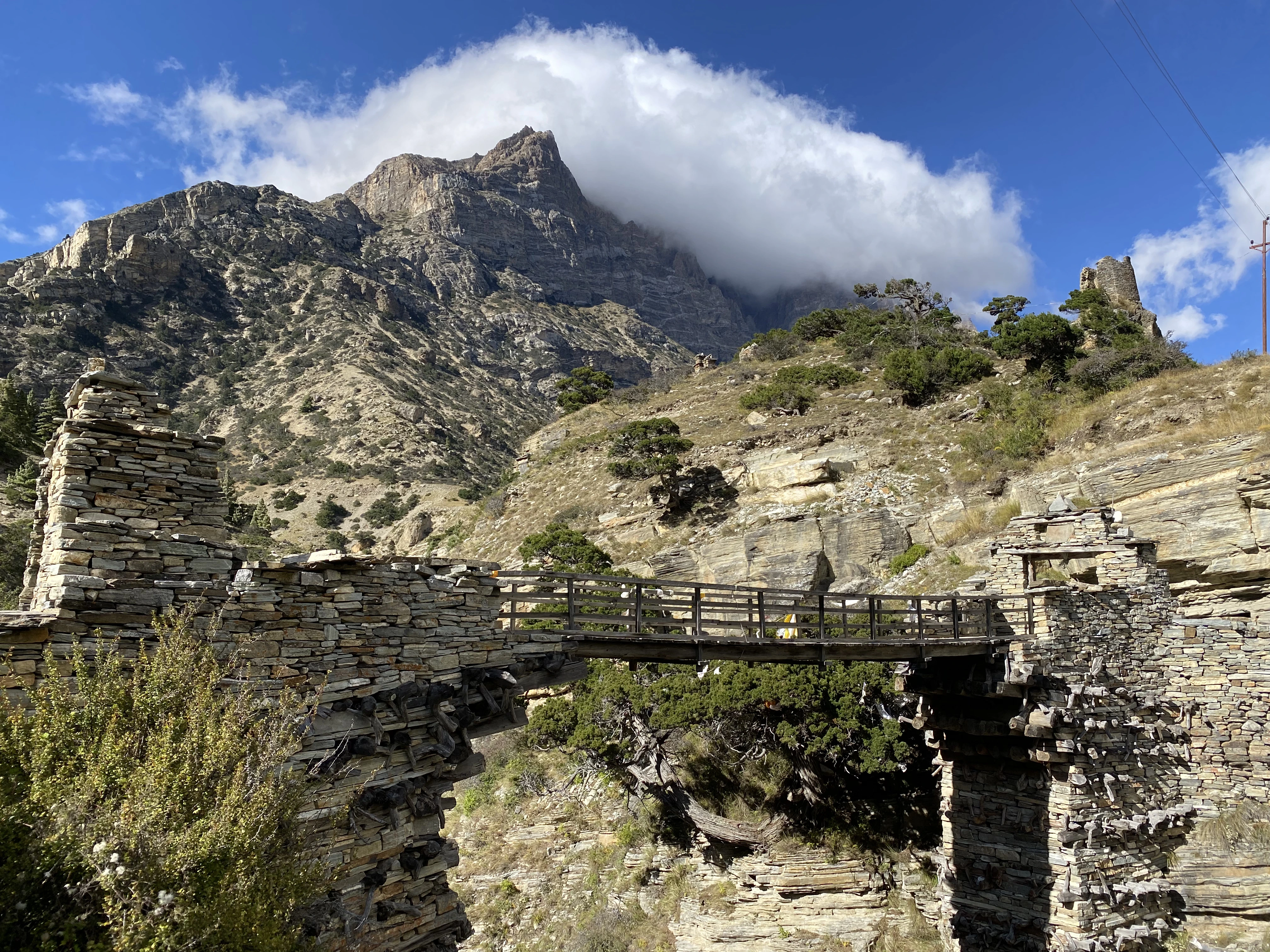
This allows you to avoid one of the hardest sections of the trek, including the high pass crossing and steep descent towards Ngawal.
However, you will still be walking through remote terrain and visiting villages above 4,000 meters.
Skipping Kang La makes the trek easier in some ways, but you still need good fitness and proper acclimatization.
Nar Phu Valley With Kang La Pass
Crossing Kang La adds a significant challenge to the trek.
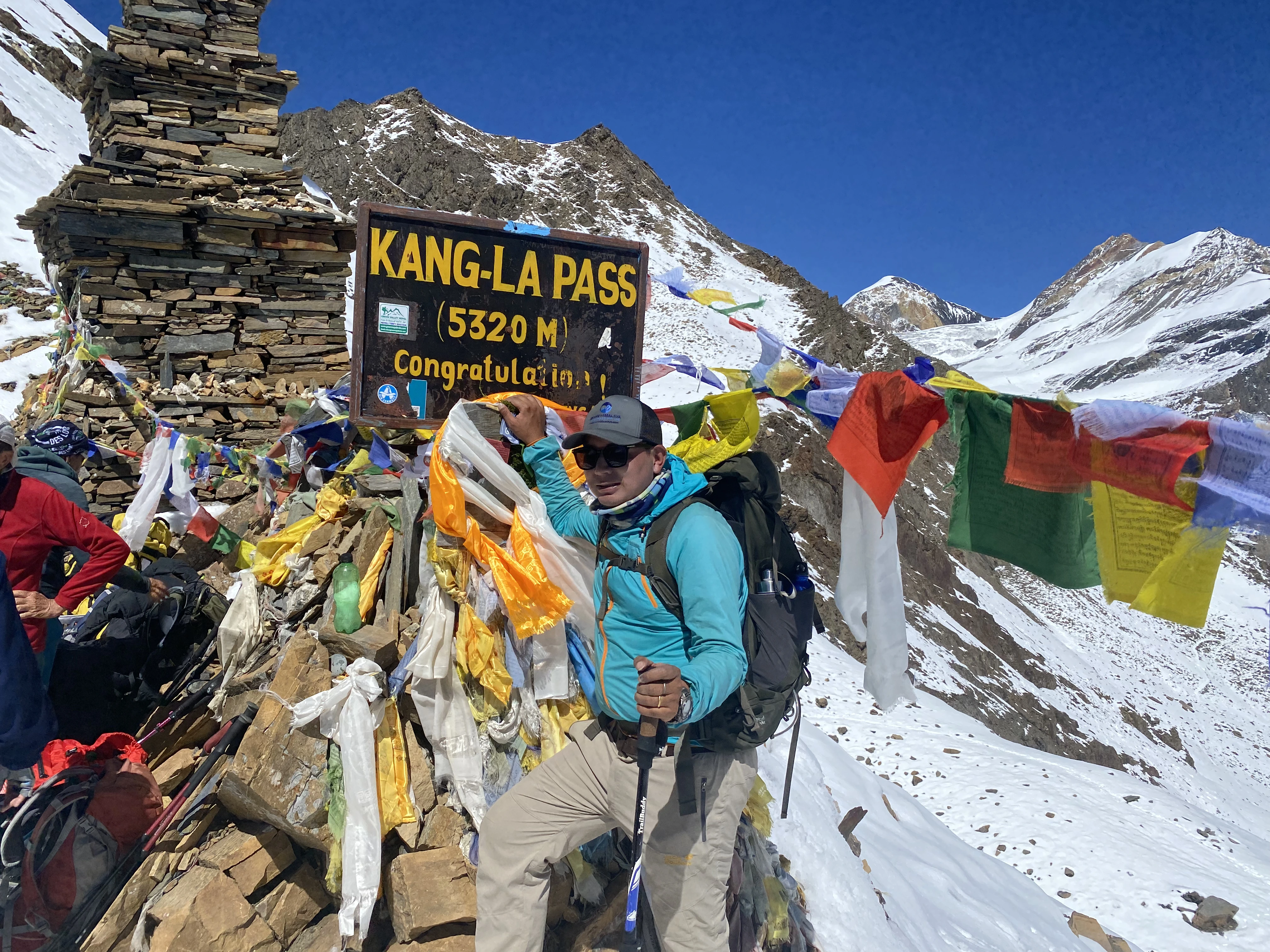
The pass reaches approximately 5,320 meters. Crossing it usually requires an early start, a long uphill climb and a steep descent towards Ngawal.
Snow, ice and loose rocks can make the crossing more difficult, depending on the conditions.
This route is better suited to trekkers who are comfortable with long walking days and challenging mountain trails.
Nar Phu With Annapurna Circuit and Tilicho Lake
Some itineraries continue beyond Kang La and include other high-altitude destinations.
For example, our 22-day Naar Phu Valley Trek combines Nar Phu Valley, Kang La Pass, Tilicho Lake and Thorong La Pass (5,416 m).
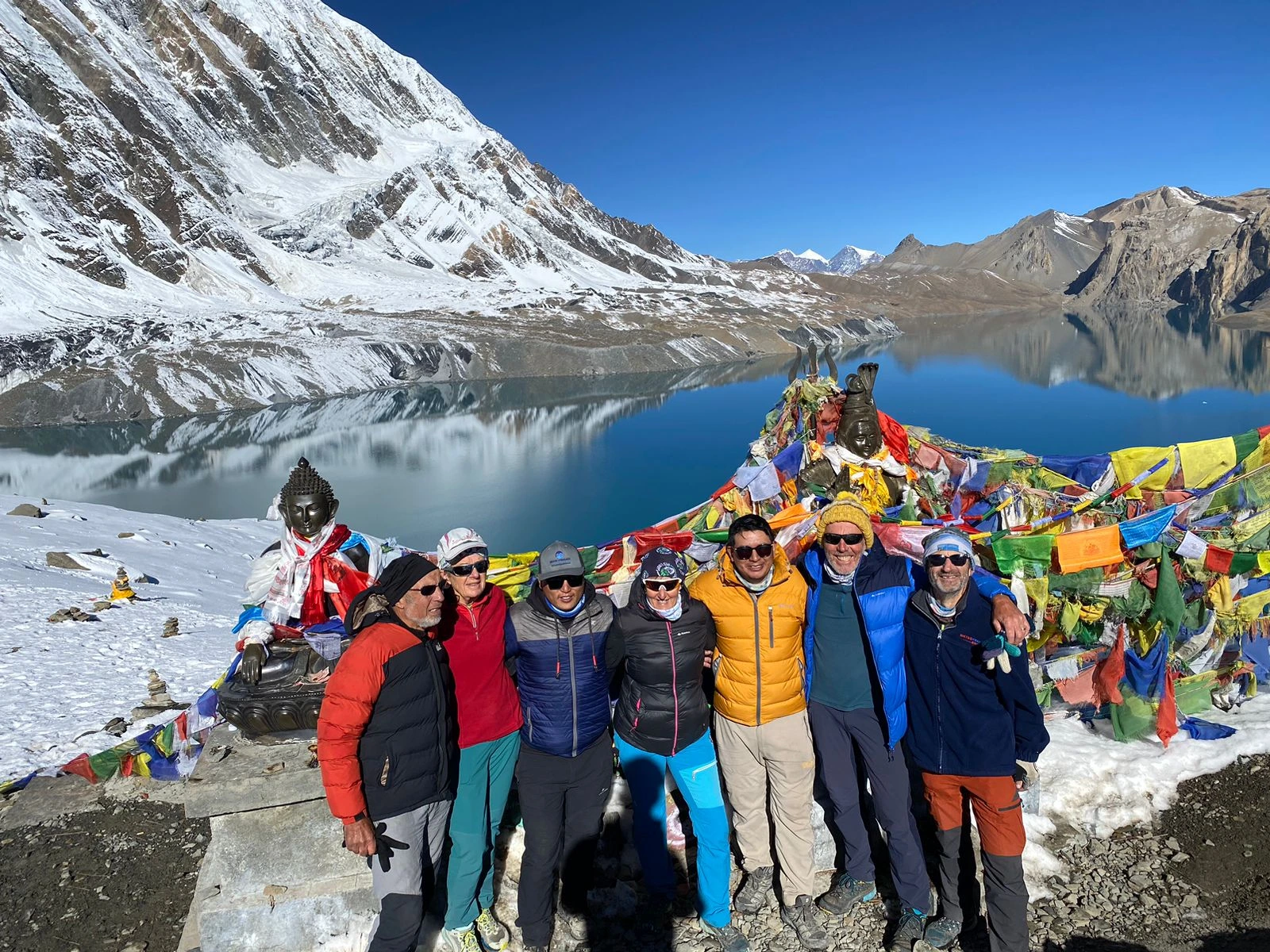
This means more trekking days and another demanding high pass crossing.
A longer itinerary may allow more time for acclimatization, but you will also need the endurance to walk for several additional days.
Being prepared for a shorter Nar Phu trek doesn't necessarily mean you're ready for this combined route.
When comparing itineraries, don't judge the difficulty by the total number of days alone.
Check how many hours you will walk each day, where you will sleep and whether the itinerary allows enough time for acclimatization.
You should also discuss what happens if you cannot continue as planned.
In Nar Phu, turning back may mean walking along the same trail for several hours or longer. Helicopter evacuation also depends on weather, location and flight availability, so you shouldn't assume it will always be available immediately.
Choose an itinerary that allows some flexibility, and make sure your travel insurance covers high-altitude trekking and emergency evacuation at the elevations involved.
Who Should Consider Nar Phu as Their First Trek in Nepal?
Being new to trekking in Nepal doesn't necessarily mean you're new to mountain trekking.
Your previous hiking experience makes a big difference when deciding whether Nar Phu is suitable.
Here's what we would generally recommend.
1. Experienced Hikers Who Have Never Trekked in Nepal
If you've completed multi-day mountain hikes elsewhere, regularly walk on challenging terrain and are comfortable with basic accommodation, Nar Phu could be a good option.
However, you should still consider your experience at high altitude, the time available for acclimatization and the route you want to follow.
Previous mountain experience is helpful, but it doesn't guarantee that your body will adjust well to the altitude.
2. Physically Fit People With Little Trekking Experience
If you regularly exercise but have only completed a few day hikes, we would recommend gaining more mountain trekking experience first.
You may have the strength and stamina needed for the trek, but long descents, several days of walking and unfamiliar trails can still be challenging.
Try completing a shorter multi-day trek first.
This will help you understand how your body handles long walking days, basic teahouse accommodation and changing mountain conditions.
You'll then have a better idea of whether you're ready for Nar Phu.
3. Complete Beginners With No Mountain Hiking Experience
If you've never completed a serious hike or overnight trek, we would generally recommend starting with an easier route.
A shorter trek in the Annapurna region, such as Ghorepani Poon Hill, can be a good starting point.
Langtang Valley is another option if you're looking for a longer trek, although it still requires good fitness and proper attention to altitude.
These treks will help you get used to walking for several days, staying in teahouses and managing the physical demands of trekking.
Once you have some experience, you can consider Nar Phu with a better understanding of what to expect.
Final Thoughts
Nar Phu can be your first trek in Nepal, but it's generally better suited to people who already have some mountain hiking experience.
If you're physically prepared, comfortable walking on difficult trails and have an itinerary that allows enough time for acclimatization, Nar Phu could be a good choice.
However, if you've never completed a multi-day mountain trek, we would recommend starting with something less demanding.
Before booking, consider your hiking experience, fitness level and the altitude demands of your chosen itinerary. If you're unsure, speak with a qualified trekking guide to understand whether the trek is suitable for you.
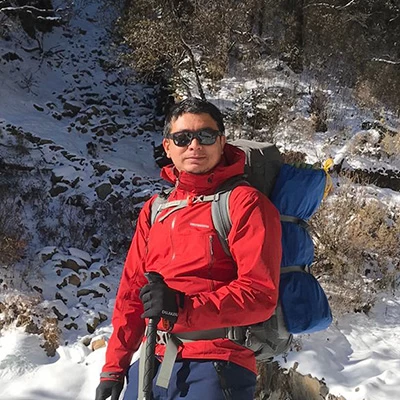
Mr. Lachhuman Tamang – A Pioneer in Trekking and Mountaineering
Call us on WhatsApp+977 9860455963OrChat with us