From canoe rides and guided forest walks to birdwatching and Tharu cultural experiences, Chitwan offers several ways to explore its wildlife and local culture. Discover which activities are most worthwhile and when to plan your visit.
7 Best Things to Do on a Chitwan Jungle Safari (And the Best Time to Go)
Table of Contents
A Chitwan jungle safari is often seen as a jeep ride through the forest in search of rhinos and tigers. In reality, there is much more to the experience. A visit may take you across grasslands and riverbanks, along quiet forest trails, and into communities that have lived around Chitwan for generations.
Some activities focus on wildlife, while others help you learn about the landscape, conservation efforts, and local Tharu culture. Each experience offers a different way to explore Chitwan. The season you visit can also affect the weather, wildlife activity, bird sightings, and overall safari conditions.
This guide covers seven of the best things to do during a Chitwan jungle safari and explains the best time to plan your visit.
Quick Answer: What Are the Best Things to Do in Chitwan?
The best things to do during a Chitwan jungle safari include:
- Taking a jeep safari through the national park
- Canoeing along the Rapti River
- Joining a guided jungle walk
- Going birdwatching
- Visiting the gharial breeding center
- Exploring a Tharu village
- Watching a traditional Tharu cultural performance
For most travelers, October to March is the best time to visit Chitwan. The weather is more comfortable for outdoor activities, and the winter months are especially good for birdwatching.
1. Take a Jeep Safari Through Chitwan National Park
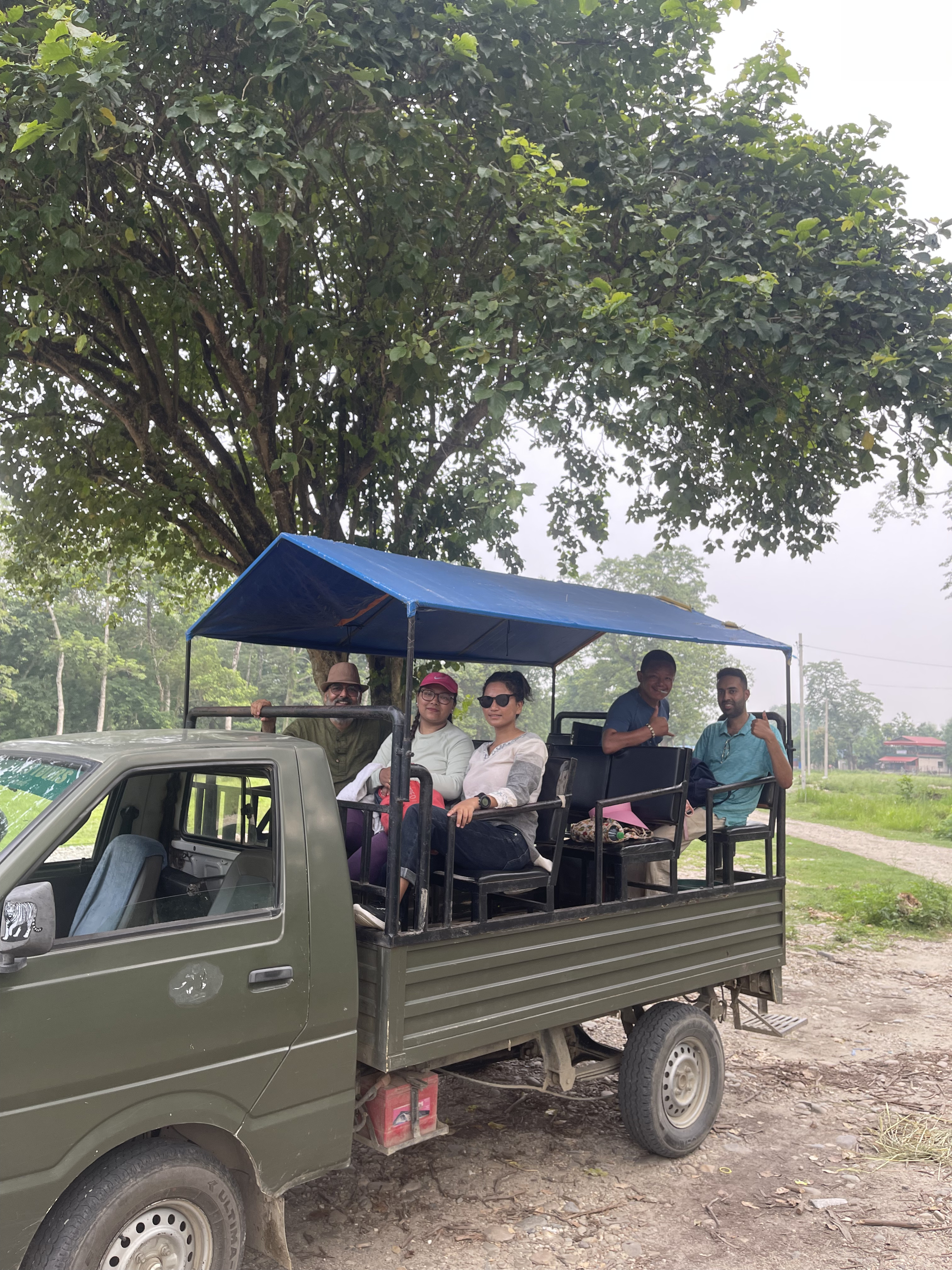
A jeep safari is one of the main ways to explore Chitwan National Park. The route takes you through forests, open grasslands, and areas near rivers where animals often come to drink or rest.
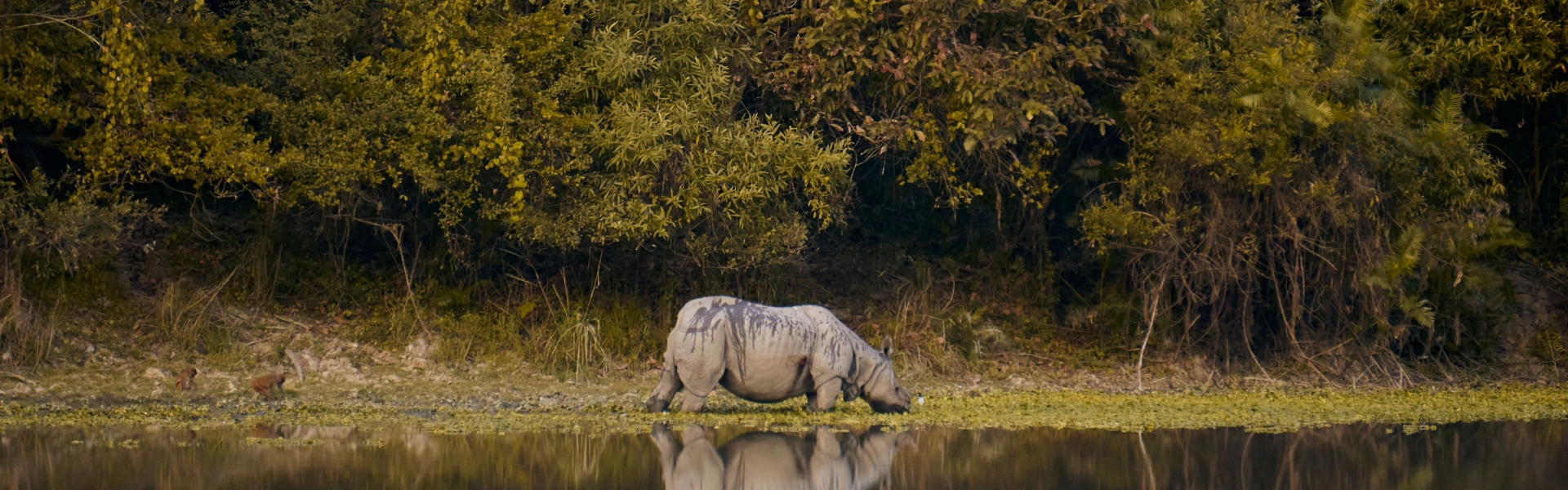
Depending on the route and season, you may see one-horned rhinos, deer, wild boars, monkeys, crocodiles, and many species of birds. Tigers also live in Chitwan, but sightings are rare and should never be expected or guaranteed.
Jeep safaris are usually arranged in the morning or afternoon, when the weather is more comfortable and wildlife may be more active. Half-day and longer safari options may be available, depending on the program and park conditions.
A longer safari gives travelers more time to explore different habitats, while a shorter route may be easier to fit into a limited itinerary. The experience also depends on the guide’s ability to notice tracks, movement, and other signs of wildlife along the route.
2. Canoe Along the Rapti River
A canoe ride along the Rapti River offers a quieter way to experience Chitwan. Instead of traveling through the forest by jeep, you move slowly along the river while watching the riverbanks and nearby wetlands.
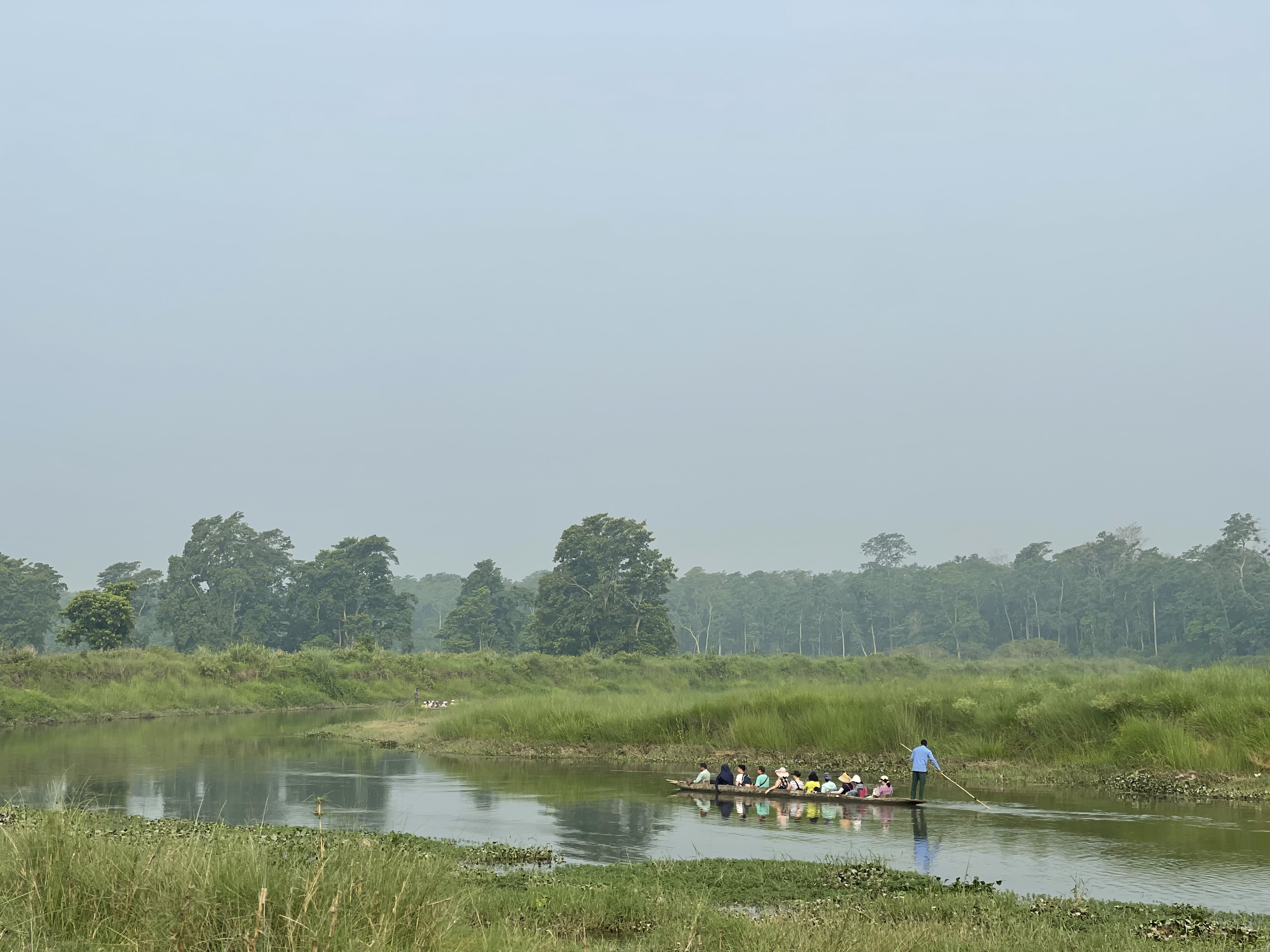
The ride is especially good for spotting mugger crocodiles, gharials, water birds, and other animals near the river. Early morning is often the best time to go, when the air is cooler and the river is more peaceful.
The traditional wooden canoes are narrow, so travelers should stay seated and follow the guide’s instructions throughout the ride.
The canoe ride is less about covering a long distance and more about observing the river quietly. Because the canoe sits low on the water, travelers get a closer view of the riverbanks and surrounding landscape than they would from a vehicle.
3. Join a Guided Jungle Walk
A guided jungle walk lets you explore Chitwan more closely than a jeep safari. You walk quietly through forest trails and grasslands while the guide points out animal tracks, plants, insects, and other signs of wildlife that are easy to miss from a vehicle.
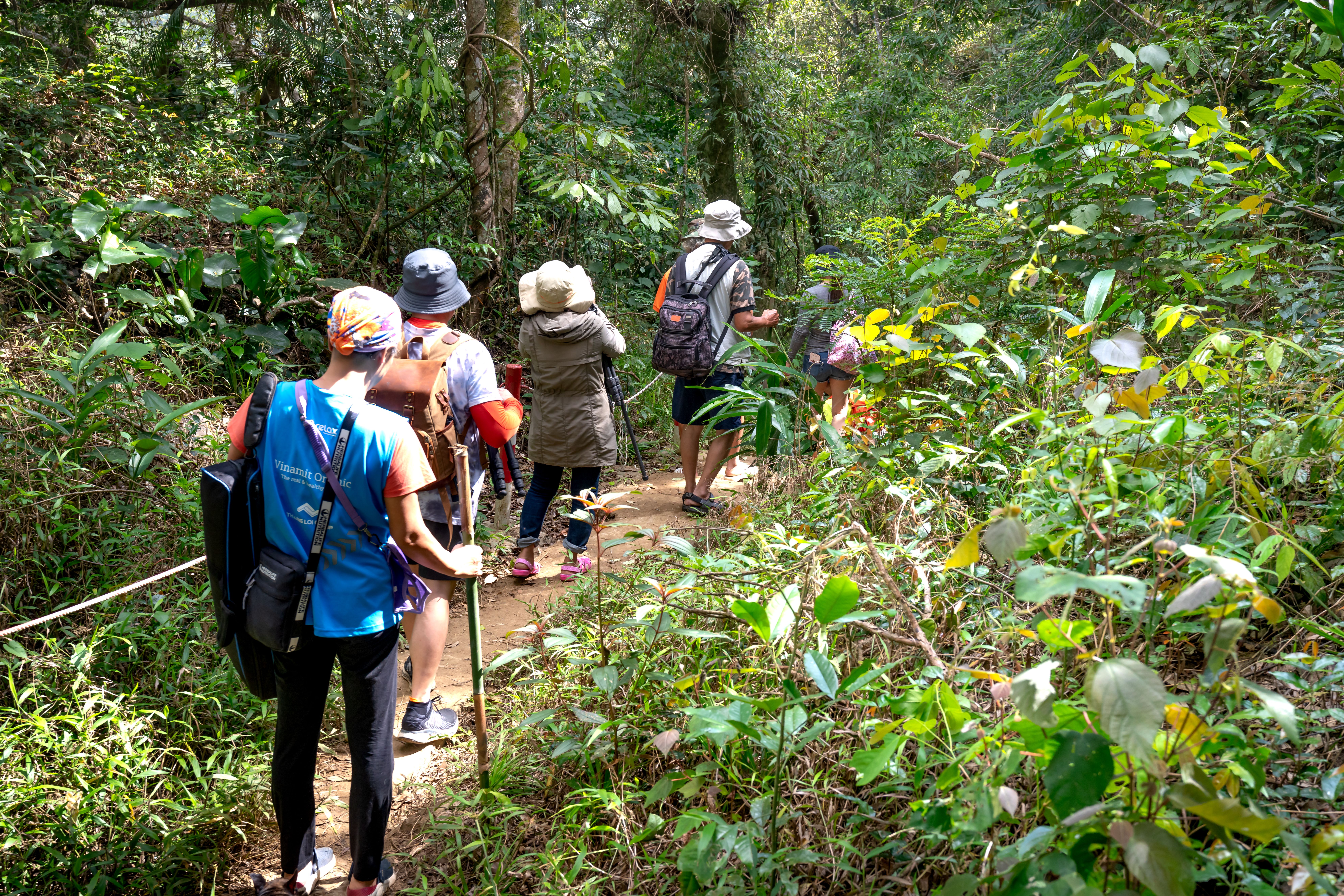
The experience is less about seeing large animals and more about understanding the forest. You may hear birds, notice fresh footprints, or learn how guides identify animals by their tracks and movement in the plants.
A knowledgeable guide may also explain footprints, animal calls, scratch marks, droppings, and changes in the vegetation. These small details can make the walk worthwhile even when no large animals appear.
Because you are exploring on foot, it is important to stay close to the guide, remain quiet, and follow all safety instructions during the walk.
4. Go Birdwatching in the Forest and Wetlands
Chitwan is home to many resident and migratory birds. Its forests, grasslands, rivers, and wetlands provide different habitats, making birdwatching enjoyable even for travelers who are not serious birdwatchers.
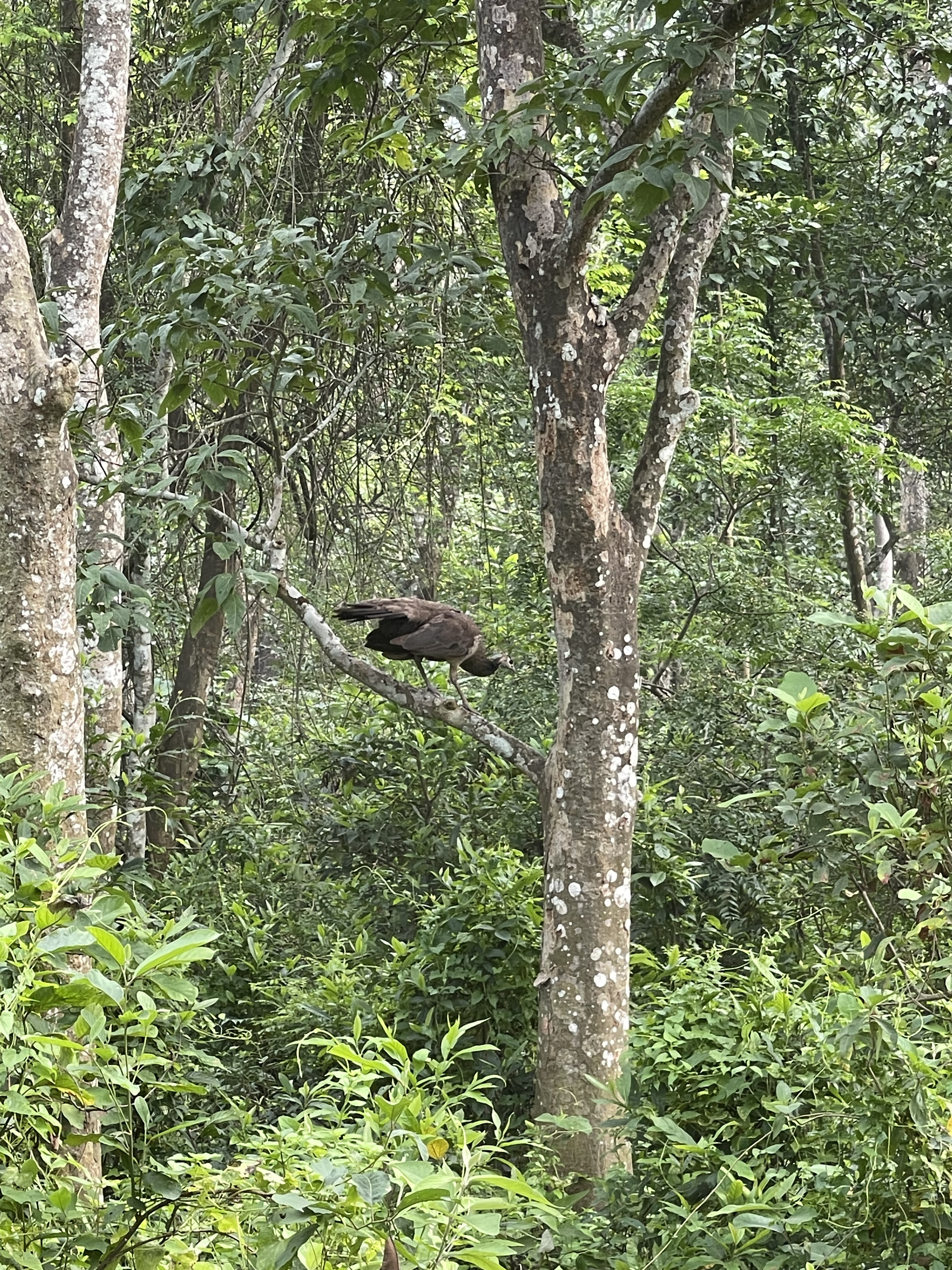
Early morning is usually the best time to go, when birds are more active and easier to hear. Depending on the season, you may see kingfishers, hornbills, egrets, storks, eagles, and many smaller forest birds.
Winter is especially good for birdwatching because migratory birds also arrive in the region. A knowledgeable nature guide can help you identify birds that are easy to miss.
Binoculars are useful, but casual visitors can still enjoy the experience without specialist equipment. Even when you cannot identify every species, the sounds and movement around the forest and wetlands make the activity rewarding.
5. Visit the Gharial Breeding Center
The Gharial breeding center offers a closer look at one of Nepal’s most endangered reptiles. Gharials are easy to recognize by their long, narrow snouts, which make them look very different from the wider-snouted mugger crocodiles found in Chitwan.
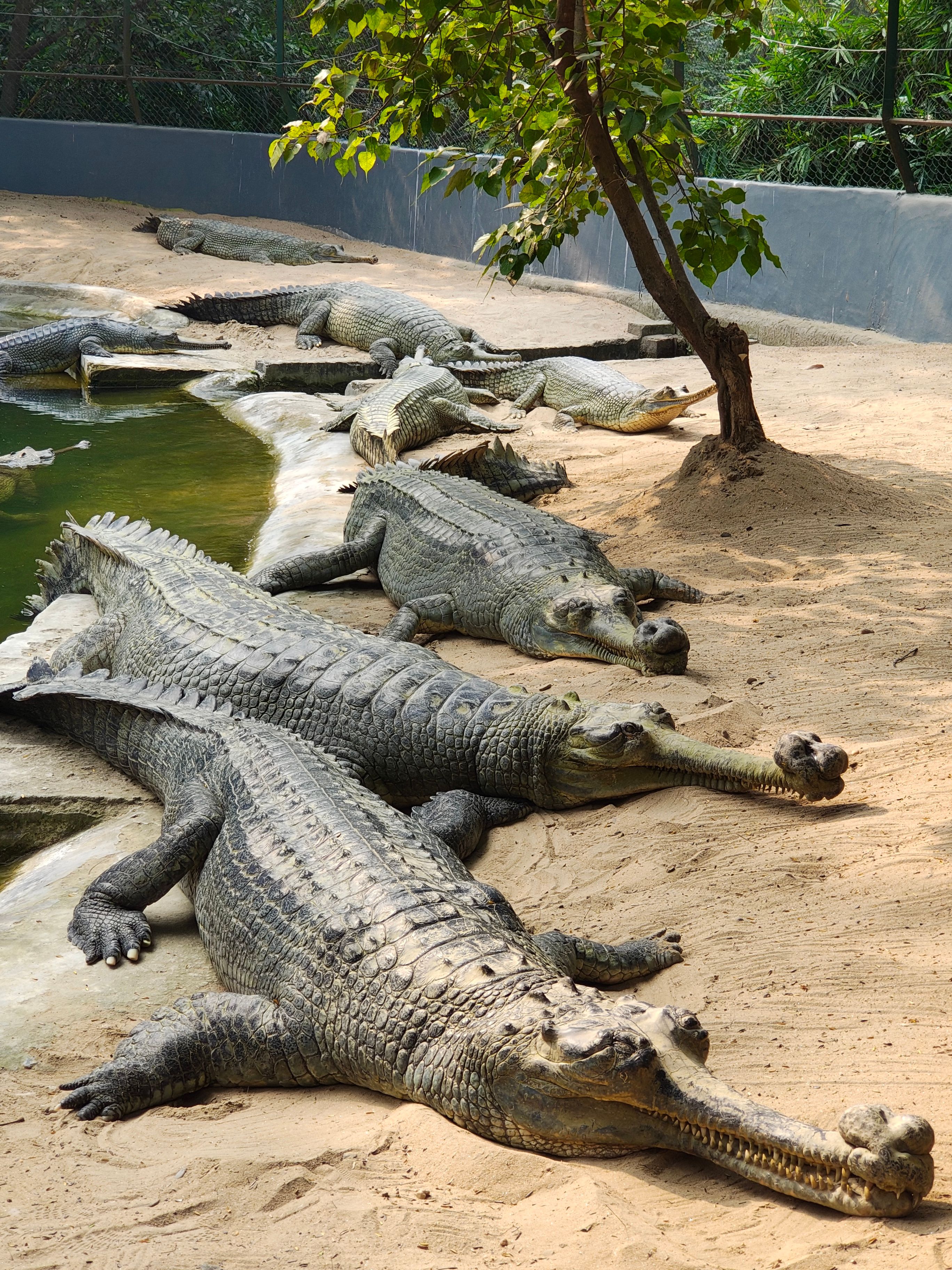
At the center, visitors can learn how young gharials are raised before they are released into suitable rivers. The visit adds a conservation element to the safari and helps explain why protecting rivers and wetlands is important for Chitwan’s wildlife.
The visit also connects well with the canoe experience. Seeing gharials at the center helps travelers better understand the animals they may later observe along Chitwan’s rivers.
This stop is often included with other safari activities, although the exact program may depend on the route and the time available.
6. Explore a Tharu Village
A visit to a Tharu village adds a cultural experience to your time in Chitwan. The Tharu community has lived in the Terai region for generations, and their traditional homes, farming methods, and daily lives are closely connected to the local surroundings.
During the visit, travelers may see mud-plastered houses, local fields, and community spaces while learning more about Tharu culture and village life. The experience is more meaningful when visitors are respectful and see it as a chance to understand the community rather than simply take photographs.
A thoughtful village visit should feel like an introduction to the community rather than a quick photography stop. Listening to local explanations and asking permission before photographing people makes the experience more respectful.
7. Watch a Tharu Cultural Performance
A Tharu cultural performance is usually held in the evening after the daytime safari activities. The program often includes traditional music, group dances, and the well-known stick dance performed by local artists.
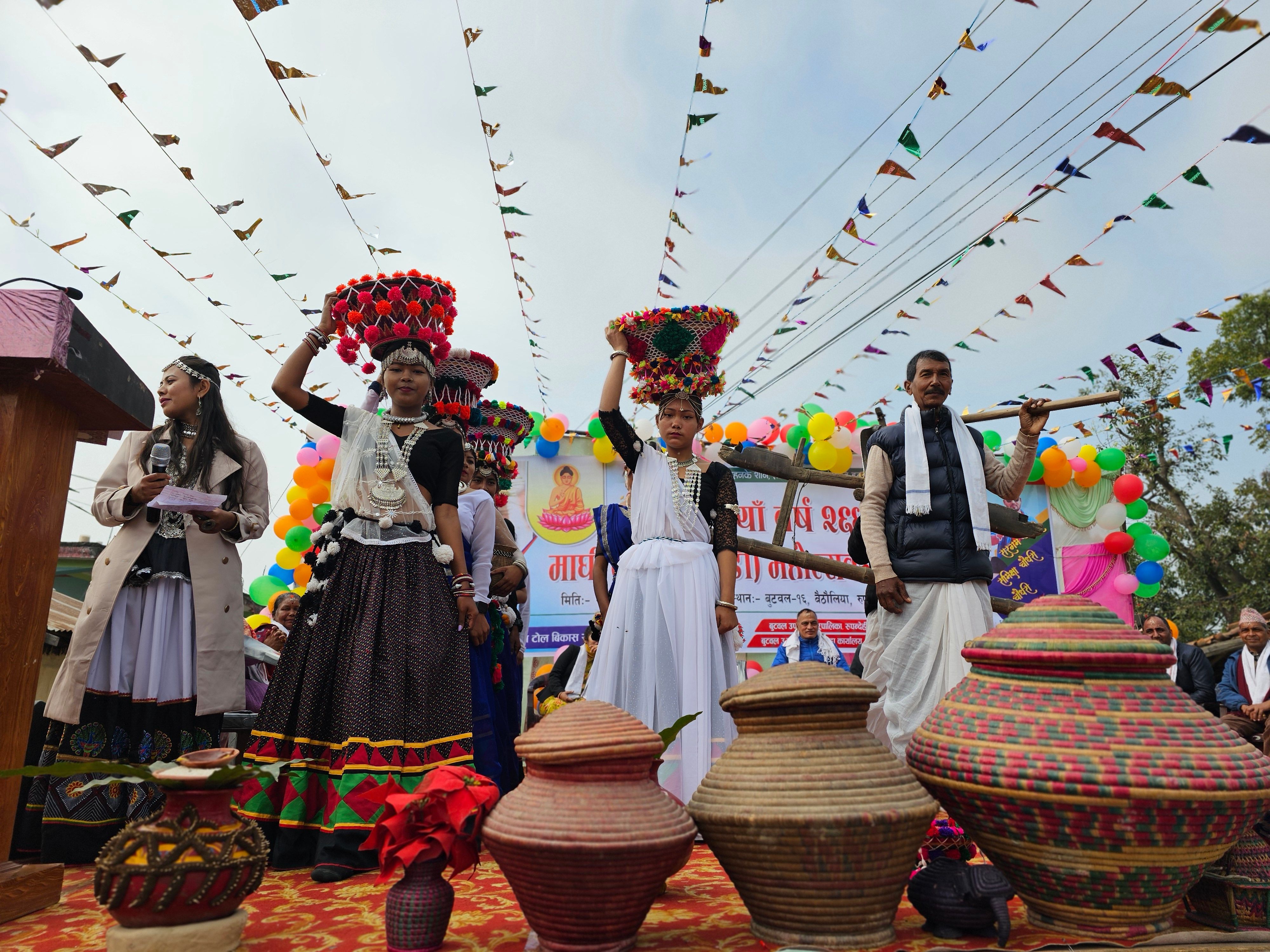
Unlike the village visit, which focuses on daily life and the local surroundings, the performance introduces travelers to Tharu music, dance, and celebrations. It is a relaxed way to end the day while learning about another part of Chitwan’s culture.
Although the performance is shorter than most daytime safari activities, it gives the evening a clear cultural focus and provides a different experience from wildlife viewing.
When Is the Best Time to Go on a Chitwan Jungle Safari?
For most travelers, October to March is the best time to visit Chitwan. The weather is generally drier and more comfortable for jeep safaris, jungle walks, canoe rides, and other outdoor activities.
October and November usually bring clear weather and greener surroundings after the monsoon. December to February is cooler, especially in the mornings and evenings. However, this is a good time for birdwatching because migratory birds arrive in the region.
March and April are also suitable, although the days become warmer. Early morning activities are usually more comfortable during these months. May and June can be very hot, while the monsoon season from July to September brings rain, humidity, and less predictable safari conditions.
The best time depends on what you want from the trip, but October to March offers the most balanced conditions for a first Chitwan jungle safari.
Which Chitwan Activities Are Most Worthwhile?
Each activity offers a different experience, so the best choice depends on what you want to see and how you prefer to explore Chitwan.
| Activity | Best for |
|---|---|
| Jeep safari | Seeing wildlife and covering a larger area |
| Canoe ride | Crocodiles, river scenery, and water birds |
| Jungle walk | A quieter and closer look at the forest |
| Birdwatching | Birdlife and nature photography |
| Gharial breeding center | Learning about wildlife conservation |
| Tharu village visit | Understanding local life and culture |
| Cultural performance | Experiencing traditional music and dance |
For first-time visitors, combining wildlife and cultural activities offers the most complete introduction to Chitwan.
Final Thoughts
A Chitwan jungle safari is not only about searching for rhinos or hoping to see a tiger. Canoe rides, forest walks, birdwatching, conservation visits, and Tharu cultural experiences all reveal a different side of the region.
Wildlife sightings can never be guaranteed, but the variety of experiences makes Chitwan a worthwhile addition to a Nepal trip.
Moon Himalaya Adventure can help you plan a Chitwan jungle safari based on your available time, preferred activities, and wider Nepal itinerary.

Manisha Tamang
Call us on WhatsApp+977 9860455963OrChat with us