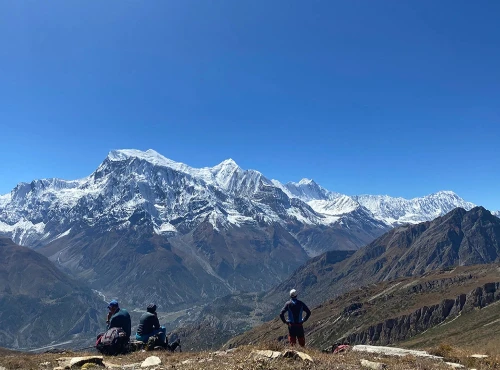
Sele La Pass is generally manageable for fit, well-acclimatized trekkers, but the full crossing can be demanding. Learn what makes the route difficult, how snow affects the crossing and whether you're prepared for it.
How Difficult Is Sele La Pass on the Kanchenjunga Circuit?
Table of Contents
Sele La Pass is generally manageable for fit, well-acclimatized trekkers with previous high-altitude trekking experience. It does not require technical climbing skills in normal conditions, but the full crossing can be physically demanding.
The main challenge is not Sele La itself. The route between Ghunsa and Tseram involves several high passes, repeated climbs and descents, and long hours of walking at altitude.
In good weather, experienced trekkers can usually complete the crossing without major difficulty. However, snow, poor visibility and strong winds can make the route much harder.
Before attempting Sele La, it is important to understand what the crossing involves and whether you are physically prepared for it.
What Makes the Sele La Crossing Difficult?
The main challenges of the Sele La crossing are the long walking hours, repeated climbs and descents, and high altitude.
Sele La itself is commonly listed at approximately 4,290 meters. However, trekkers following the Kanchenjunga Circuit must cross several other high passes before reaching Tseram.
These commonly include:
- Sinion La: Approximately 4,440 meters
- Mirgin La: Approximately 4,480 meters
- Sinelapche La: Approximately 4,646 meters
Pass names and elevations differ between maps and trekking itineraries, so these figures should be treated as approximate.
The route is not one continuous climb. You climb to a pass, descend into a smaller valley and climb again to reach the next pass. Going up and down repeatedly can become tiring, especially after several days of trekking.
The trail is generally non-technical in good conditions. Most of the route follows established mountain paths, although some sections are steep, rocky or exposed.
You do not normally need mountaineering skills, ropes or technical climbing equipment. However, you should be comfortable walking on uneven ground and maintaining your balance on steep descents.
The final descent towards Tseram can be particularly tiring after several hours of crossing the higher passes.
How long does the crossing take?
Most itineraries allow approximately 7–9 hours to hike from Sele Le Camp to Tseram, depending on the group's pace, weather and trail conditions.
Trekkers normally spend the previous night at Sele Le Camp after walking up from Ghunsa.
The walking distance may not seem particularly long, but spending much of the day above 4,000 meters makes it more tiring than a similar hike at lower elevations.
There are also no regular settlements along the high-pass route where trekkers can comfortably stop for the day.
For this reason, it is important to start early and maintain a steady, manageable pace.
Can a Reasonably Fit Trekker Complete Sele La Pass?
Yes, a reasonably fit trekker with previous high-altitude experience should generally be able to manage Sele La in good conditions.
You do not need to be an athlete or an experienced mountaineer.
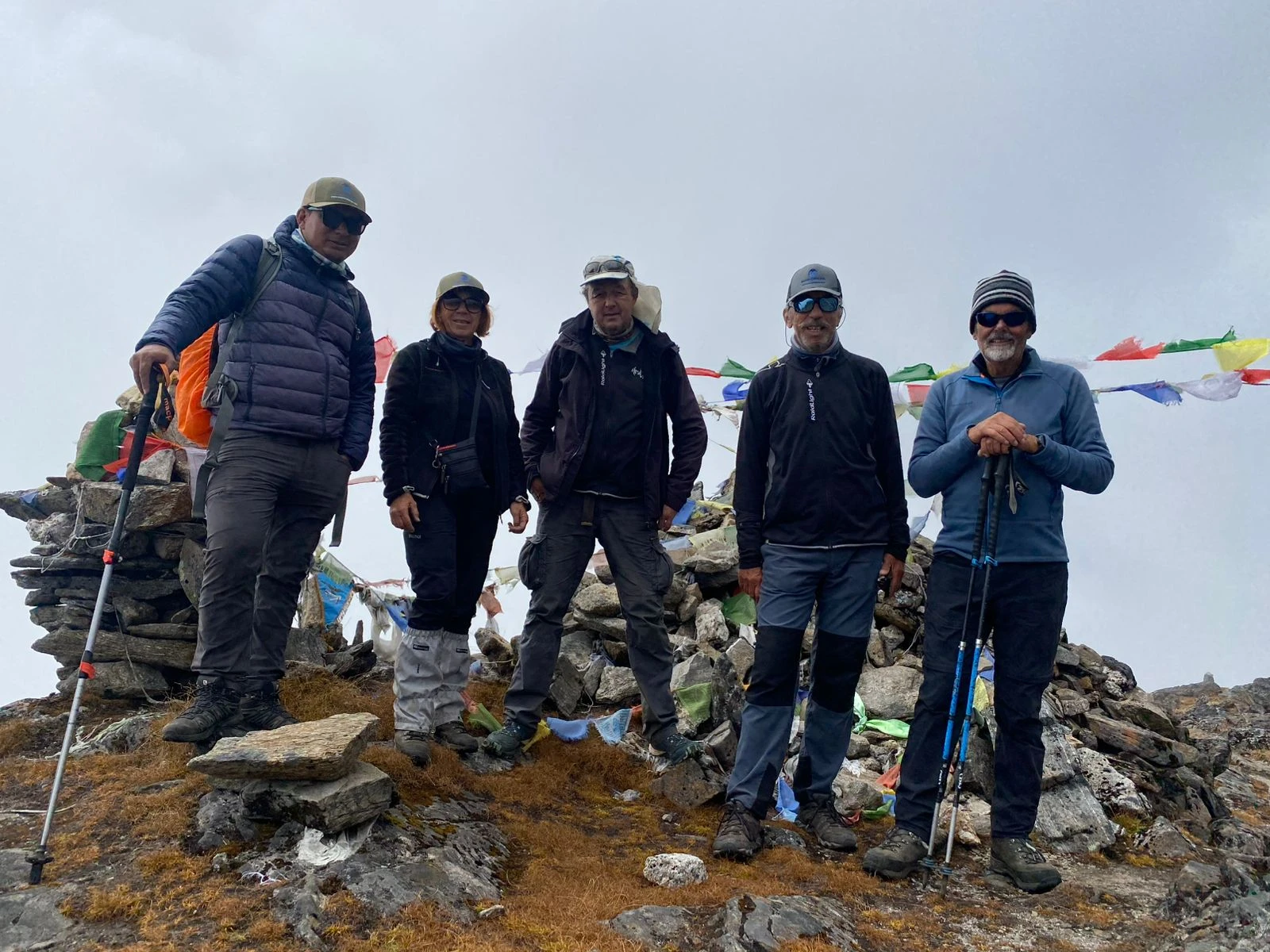
However, being able to walk for several hours is only part of it. You should also be comfortable with steep climbs, rocky descents and long hours at high altitude.
If you have previously completed Everest Base Camp or another demanding high-altitude trek, that experience can help you understand what to expect.
However, completing EBC does not automatically make Sele La easy. The terrain, walking hours and trail conditions are different.
To assess whether you are physically prepared, ask yourself if you can:
- Walk uphill and downhill for 7–9 hours with reasonable breaks.
- Maintain a steady pace on rocky and uneven mountain trails.
- Carry your daypack comfortably throughout a long trekking day.
- Recover well enough to continue trekking the following morning.
Proper acclimatization is equally important.
Even physically strong trekkers can struggle at altitude if they ascend too quickly. A well-planned Kanchenjunga Circuit itinerary should give you enough time to acclimatize before reaching the high passes.
If this is your first Himalayan trek, the complete Kanchenjunga Circuit may be too demanding. The route is remote, trekking days can be long, and facilities are more limited than on popular routes such as Everest Base Camp.
Previous trekking experience is therefore strongly recommended, even though Sele La itself does not require technical climbing skills.
How Difficult Is Sele La Pass in Snow?
Snow can make the Sele La crossing much harder, but a snow-covered trail does not always mean the pass is impossible to cross.
With light snow, trekkers may still be able to follow the existing trail, especially if other groups have already walked through the area.
Fresh or deeper snow is a different situation.
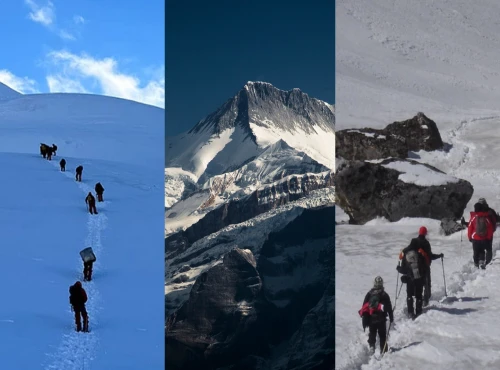
Walking through snow takes more energy and can slow you down considerably. Snow can also cover rocks, uneven ground and parts of the trail, making it harder to see where you are stepping.
In some conditions, experienced trekking guides can break a trail through the snow and help the group continue safely.
However, this depends on the snow depth, its stability, the terrain and the weather.
The main concern is whether the route is still safe to cross.
For example, poor visibility can make it difficult to find the trail, especially when snow has covered the path. Hard ice can make steep sections slippery, while unstable snow on exposed slopes may increase the risk of avalanches.
These are not problems that can always be solved by clearing a path through the snow.
The trek leader must assess the conditions and decide whether to continue, wait for better weather or turn back.
Snow is more likely to cause difficulties during winter and around the beginning or end of the main trekking seasons. However, fresh snowfall can occur even during spring and autumn.
This is why the actual weather and trail conditions matter more than the season alone.
Depending on the conditions, trekkers may need microspikes or other suitable traction equipment. However, equipment alone does not make an unsafe crossing safe. The guide must assess the route before proceeding.
Does the Itinerary Affect How Difficult the Crossing Is?
Yes. How you plan the crossing can make a noticeable difference to how tiring it becomes.
Most Kanchenjunga Circuit itineraries approach Sele La from Ghunsa and continue towards Tseram, with an overnight stop at Sele Le Camp.
However, some experienced trekkers choose to complete the entire journey from Ghunsa to Tseram in a single day.
Crossing in one day or two days
The most common approach is to divide the journey into two days.
Day 1: Ghunsa to Sele Le Camp
This usually takes around 4–6 hours. The trail climbs steadily above Ghunsa, passing through forest before reaching more open mountain terrain.
Trekkers spend the night at Sele Le Camp, giving them time to rest before the main crossing the following morning.
Day 2: Sele Le Camp to Tseram
This is the longer and more demanding section, usually taking around 7–9 hours. It includes crossing the high passes and the final descent to Tseram.
Some experienced trekkers also complete the entire journey from Ghunsa to Tseram in one day.
This can take approximately 10–12 hours or longer, depending on the conditions.
Skipping the overnight stop means completing the climb from Ghunsa and the entire high-pass crossing on the same day.
For most trekkers, staying overnight at Sele Le Camp is the more manageable option.
It does not make the pass crossing itself easier, but it saves you from adding several hours of climbing to an already demanding day.
Does the direction of the crossing matter?
Most Kanchenjunga Circuit itineraries cross from Ghunsa towards Tseram, usually after visiting the northern side of Kanchenjunga.
By this stage, trekkers have generally spent several days at higher elevations.
Crossing in the opposite direction involves the same passes, but the climbs and descents are different. The ascent from Tseram can feel particularly demanding, and acclimatization needs careful planning.
Neither direction removes the main challenges. What matters most is having enough time to acclimatize and complete the crossing safely.
Conclusion
Sele La Pass is not a technical mountain crossing in normal conditions, but the full route should not be underestimated.
If you are physically fit, properly acclimatized and comfortable with long mountain hikes, you should generally be able to complete the crossing in good conditions.
Be prepared for repeated climbs and descents, long walking hours and possible changes in weather.
Most importantly, choose a realistic itinerary, allow enough time for acclimatization and follow your guide's advice when crossing the high passes.
Mr. Lachhuman Tamang – A Pioneer in Trekking and Mountaineering
Call us on WhatsApp+977 9860455963OrChat with us