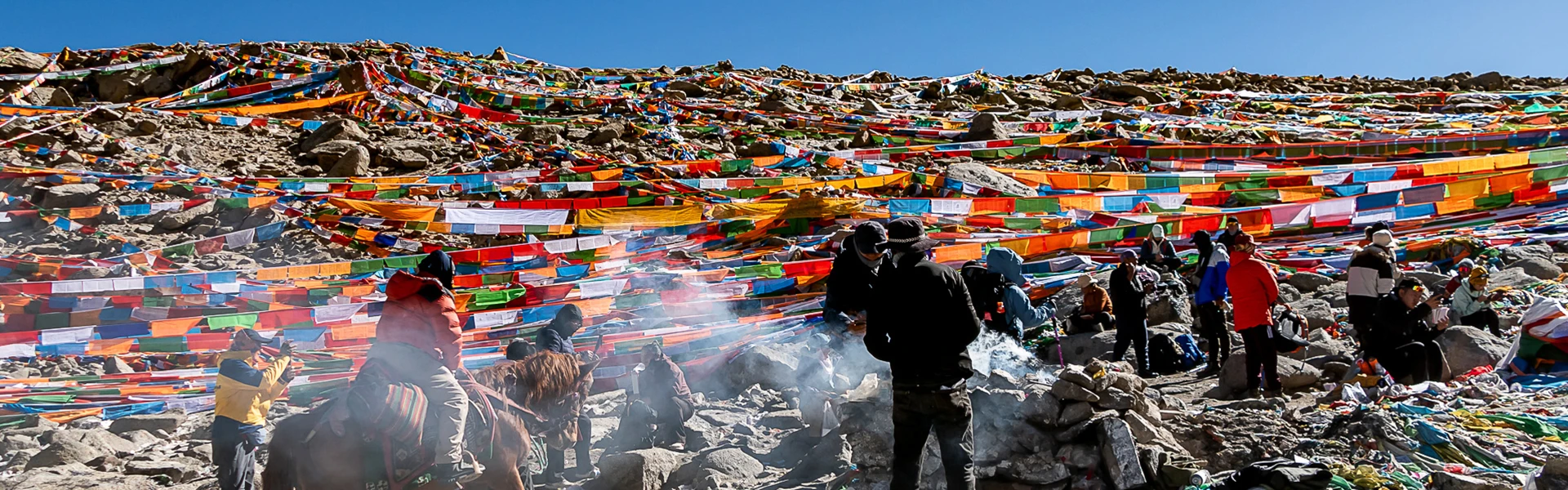
Dolma La is the highest point of the Kailash Kora, where the effects of altitude can become much more noticeable. This guide explains what you may normally feel on the climb, which symptoms need attention, and what happens if it is no longer safe to continue across the pass.
Altitude Sickness on the Kailash Yatra: What Actually Happens at Dolma La Pass
Table of Contents
Dolma La is the highest point of the Mount Kailash Kora, at about 5,600 meters. It is also where many pilgrims feel the effects of altitude more strongly than at any other point of the yatra.
But feeling tired, walking slowly or breathing heavily on the climb does not automatically mean you have altitude sickness. At this elevation, even simple effort can feel much harder, even if you are well acclimatized.
The important thing is knowing the difference between a normal response to very high altitude and symptoms that mean you should stop and tell your guide.
This guide explains what you may normally feel around Dolma La, which symptoms need more attention, and what happens if it is no longer safe to continue across the pass.
Why Altitude Becomes Much More Noticeable Around Dolma La
The effects of altitude do not suddenly begin when you reach Dolma La.
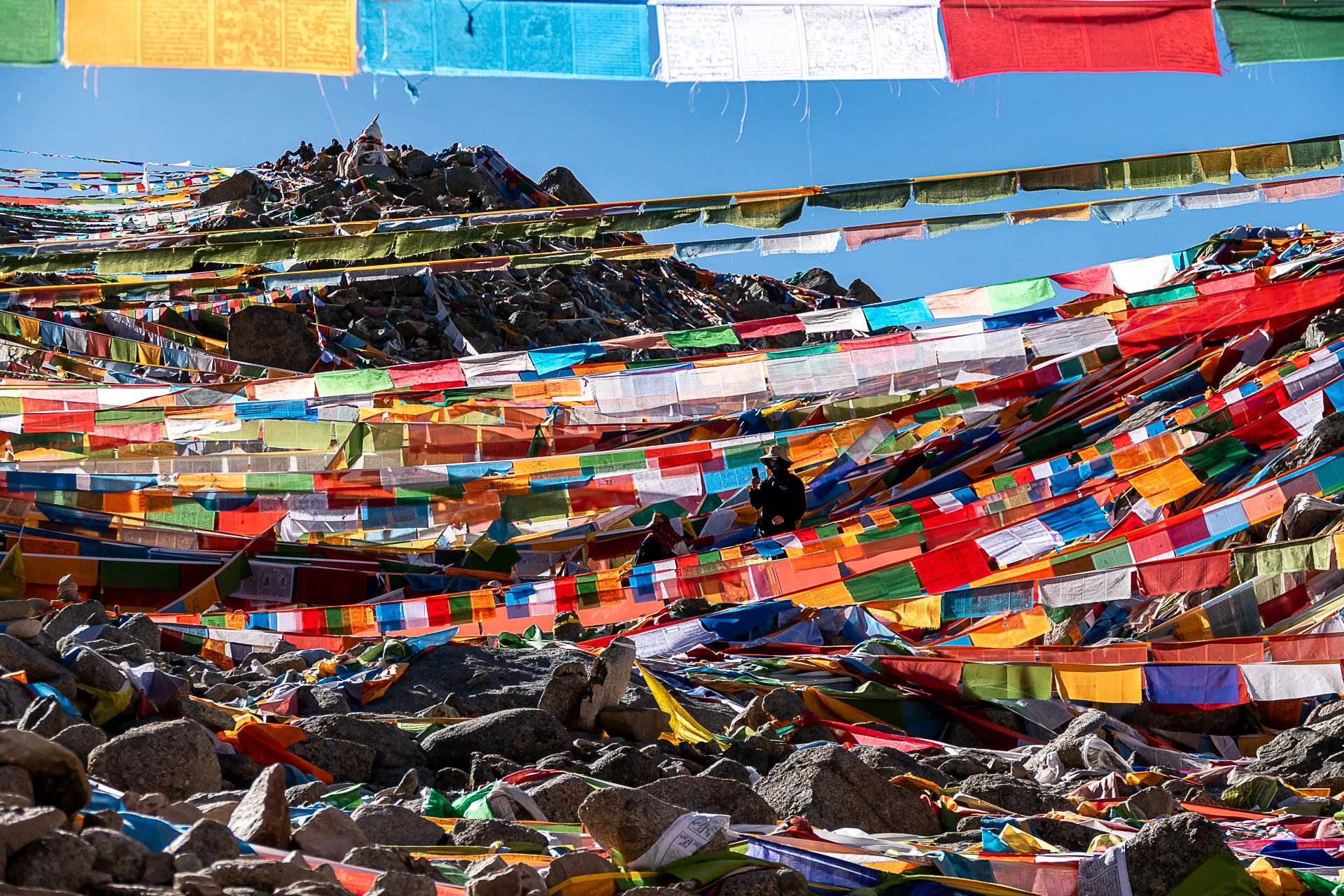
By the time you start the main crossing, you have already spent considerable time at high altitude. The previous night is normally spent around Dirapuk, at roughly 5,000 meters, before the route climbs higher toward Dolma La the following morning.
At this height, lower air pressure means your body gets less oxygen with each breath than it would at sea level. You naturally breathe more to compensate, and physical activity becomes much harder.
You are also not simply standing at 5,600 meters. You are walking uphill to reach it.
This combination of altitude and physical effort is why someone who felt reasonably comfortable the previous day may suddenly find themselves taking shorter steps and stopping more often on the way to Dolma La.
Proper acclimatization helps your body adjust and reduces the risk of altitude illness, but it does not mean you will feel strong throughout the crossing. Even a well-prepared pilgrim should expect the altitude to slow them down.
What Is Normal at Dolma La, and What Could Be Altitude Sickness?
One useful thing to understand before the Kora is that feeling the effects of altitude and having altitude sickness are not exactly the same thing.
Almost everyone notices some change in their physical ability at these elevations.
What matters is the type of change you are experiencing.
What Normal High-Altitude Exertion Can Feel Like
You may find yourself breathing much harder than usual when walking uphill.
Your normal walking speed may also be impossible to maintain. A steady pace at lower altitude may become a few minutes of slow walking, followed by a short rest before continuing.
Your legs may feel unusually heavy. Talking while walking can become harder. Even a short climb may take much more effort than you expect.
Breathlessness during physical effort is particularly easy to misunderstand. If you are climbing toward Dolma La and breathing heavily but recover when you stop, that is different from being unusually breathless while sitting or resting.
This is why your overall condition matters more than one symptom on its own.
Symptoms That Should Make You Tell Your Guide
Altitude sickness becomes more concerning when other symptoms appear along with the expected physical strain.
Acute mountain sickness commonly causes a headache together with symptoms such as nausea, dizziness, unusual fatigue or loss of appetite.
You should tell your guide if you develop:
- a persistent or worsening headache,
- nausea or vomiting,
- dizziness,
- unusual weakness that feels different from tired legs,
- difficulty eating or drinking,
- or a noticeable worsening in how you feel as you continue higher.
Do not hide symptoms because you are worried your guide may ask you to stop.
Altitude problems are easier to manage when they are noticed early. Trying to appear stronger than you feel makes it harder for your guide and the people travelling with you to understand what is happening.
Warning Signs That Mean Continuing May Be Unsafe
Some symptoms need much more urgent attention.
Confusion, unusual drowsiness, difficulty walking straight or staying coordinated, severe weakness, or a noticeable change in mental state can be signs of serious altitude illness.
Breathing also needs to be judged carefully. Being out of breath while climbing steeply is expected at this altitude. Being unusually short of breath while sitting or resting is much more concerning.
High-altitude pulmonary edema can begin with a noticeable drop in your ability to exercise and breathlessness that seems excessive for the effort you are making. It can then progress to breathing difficulty even at rest.
These are not symptoms you should try to walk through in the hope that they disappear once you reach the pass.
Why Your Condition at Dirapuk Matters Before You Start
You normally spend the previous night around Dirapuk at roughly 5,000 meters, so your body has already spent several hours at very high altitude before you wake for the crossing.
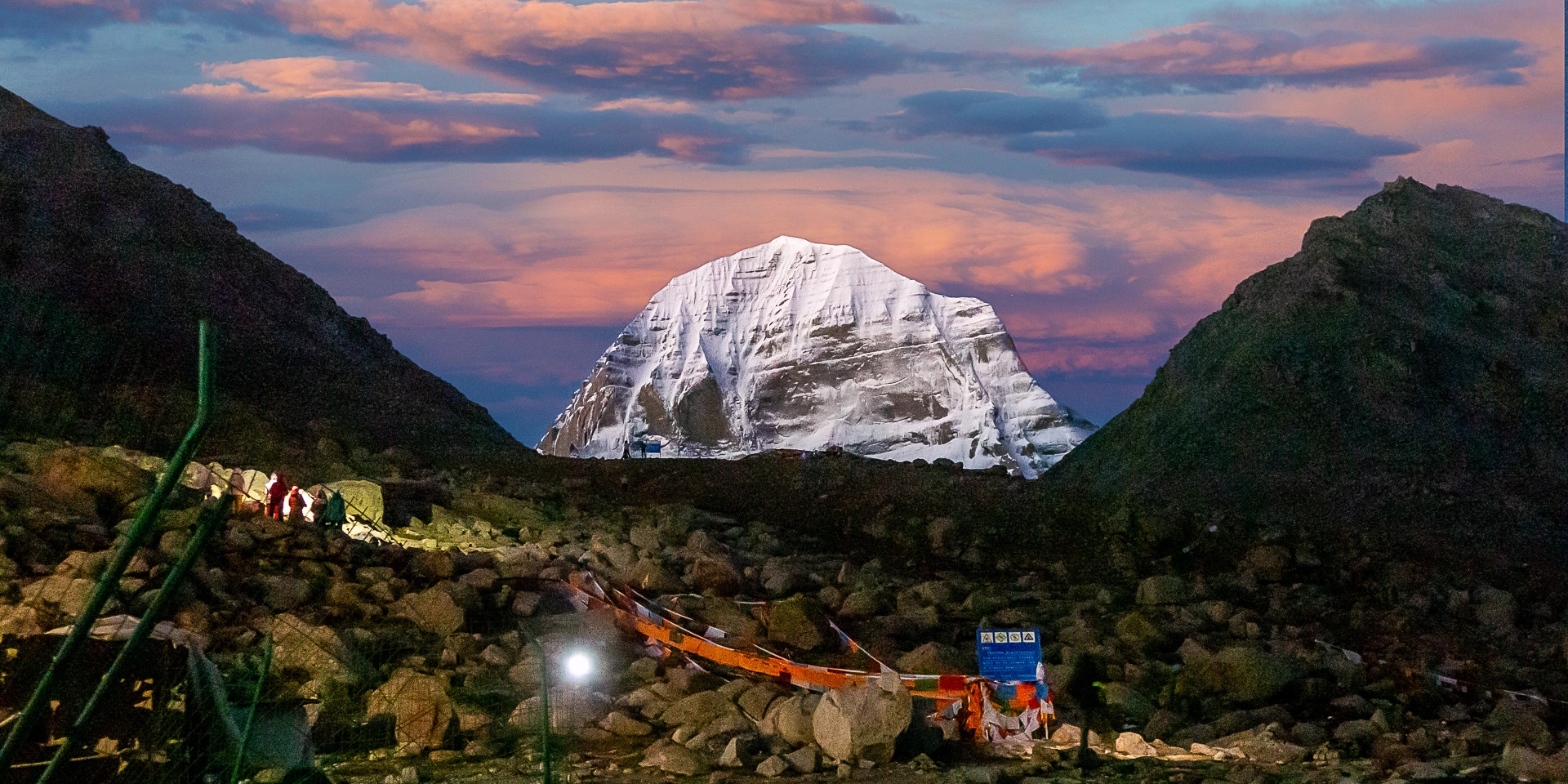
How you feel that morning matters.
Someone who wakes up tired after a poor night's sleep is in a very different situation from someone whose condition has noticeably worsened overnight.
If you have ongoing symptoms of acute mountain sickness, you should not continue climbing higher until those symptoms have resolved.
There can also be a lot of emotional pressure on this particular morning. Pilgrims have travelled a long way to reach Kailash, and crossing Dolma La is an important part of completing the Kora.
But the safest decision has to depend on how you are feeling that morning, not on how badly you want to finish the route.
What If You Wake Up With a Headache?
A headache at Dirapuk does not automatically mean you need to panic.
Headaches can have other causes, including poor sleep and other illnesses.
What matters is how the headache develops and what other symptoms you have.
Is it mild or getting worse? Do you also feel nauseous or dizzy? Are you unusually weak? Can you eat and drink? Do you feel better than you did the night before, or worse?
You should discuss these details with your guide or, where available, the medical personnel travelling with the group.
The problem is not simply waking up with a headache.
The problem is choosing not to mention it because you are worried it could stop you from crossing Dolma La.
What Happens If You Become Unwell on the Way to Dolma La?
You may leave Dirapuk feeling reasonably well and still develop problems as you climb higher.
If that happens, tell your guide.
There is no benefit in waiting until your symptoms become severe.
Depending on what you are experiencing, the group may stop while your condition is assessed. You may be asked to rest, slow down or avoid climbing any higher while your guide decides what to do next.
You should not try to diagnose yourself based on one symptom or a single pulse-oximeter reading.
Your guide needs to look at your overall condition: how you are walking and communicating, what symptoms you have, whether they are getting worse, and how you respond when you stop and rest.
If continuing higher appears unsafe, the better decision may be to stop the crossing and move toward lower altitude rather than continue toward the pass.
Can Oxygen or a Horse Make It Safe to Continue?
Both can be useful during the Kailash Kora, but neither should be treated as a way to ignore significant altitude sickness.
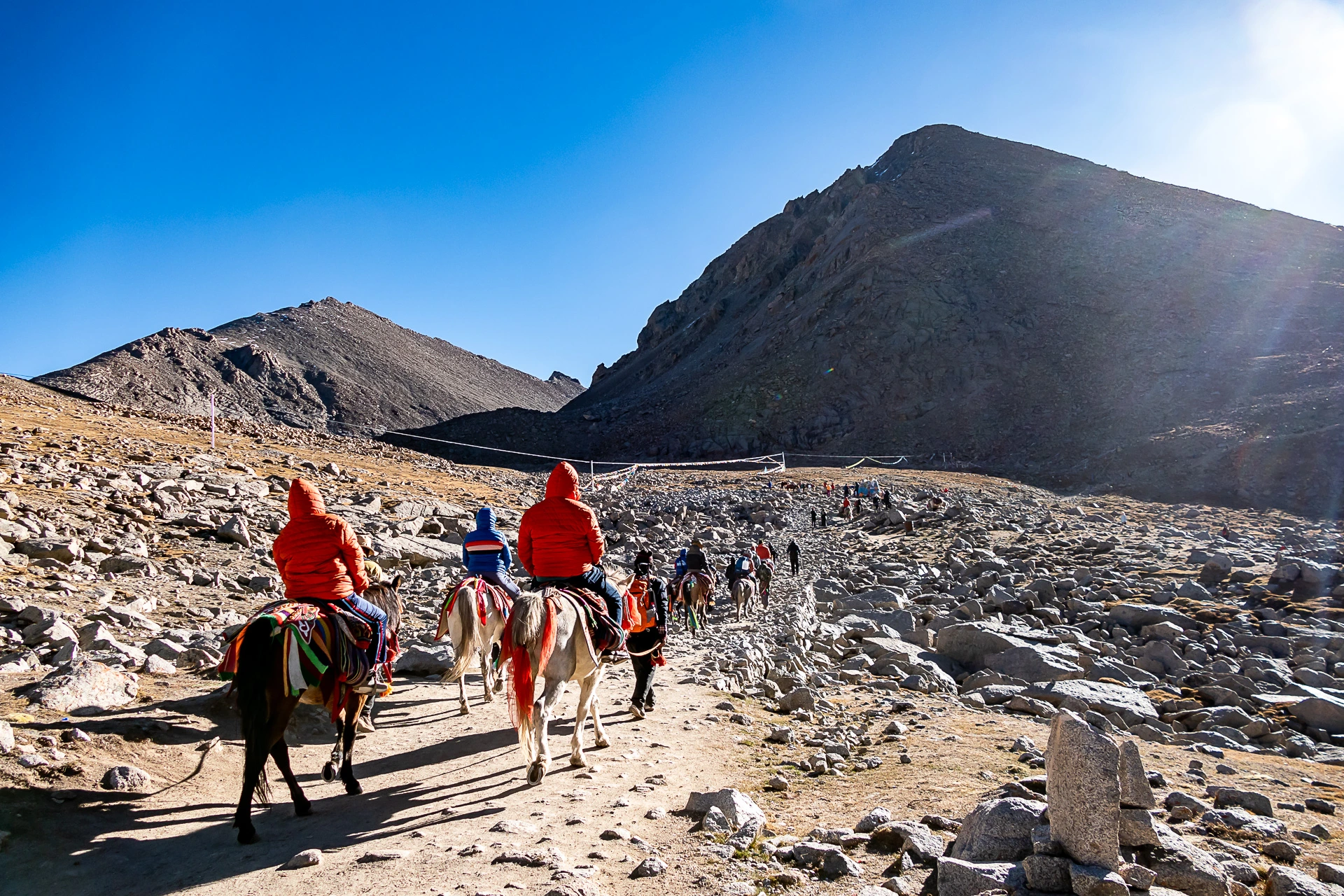
A horse can reduce the amount of physical effort required. This may help someone whose main problem is exhaustion or the physical difficulty of the route.
But sitting on a horse does not lower the altitude.
If someone is becoming seriously ill because of altitude, continuing higher on a horse does not solve the underlying problem.
Supplemental oxygen can support someone who is unwell, particularly when descent is delayed or difficult. But it should not be treated as a way to keep climbing despite serious symptoms.
Why Being Close to the Pass Does Not Change the Safety Decision
After climbing for hours, it is easy to think: I have already come this far. I may as well reach the top.
But altitude illness does not care how close you are to your goal.
Another 20 or 30 minutes of climbing still means going higher. If your condition is getting worse, being able to see the pass does not make the extra climb safer.
This is why you need to trust the people assessing your condition.
Turning around when you are close to Dolma La can be extremely disappointing. But it can still be the right decision.
What Happens If You Cannot Cross Dolma La?
If you cannot cross Dolma La, it does not mean the group simply leaves you behind or that you have to force yourself over the pass.
What happens next mainly depends on where you are when the decision is made and how serious your condition is.
If you have not yet crossed the pass, returning toward the Dirapuk side and moving to lower or more accessible ground may be the safer option.
If problems develop after you have already crossed the highest point, it may be better to continue descending on the other side. Going back would mean climbing up to Dolma La again.
The exact arrangement can vary depending on your location, condition, weather, available support and local operating arrangements in Tibet.
Your guide and ground team may also need to make separate arrangements from the rest of the group. In some situations, the group may continue while the affected pilgrim returns or descends with appropriate assistance.
This is why it is worth asking your Kailash operator before the journey how they handle a pilgrim who cannot complete the Dolma La crossing.
The important point is that crossing the pass should never become compulsory simply because it is part of the itinerary.
An itinerary shows what the group plans to do when things go normally. It should change if someone's health requires a different decision.
What Changes Once You Start Descending?
Dolma La is the highest point of the Kora, so once you cross it, the route begins to descend.
From an altitude perspective, this matters.
Descent is one of the most important responses to altitude illness because it brings the body back to a lower elevation where more oxygen is available.
But that does not mean everyone immediately feels normal as soon as they start walking downhill.
If you are simply exhausted from the climb, you may continue to feel tired for much of the day.
If you have developed altitude-related symptoms, improvement can also take time. Someone who has been significantly unwell still needs to be watched even if they begin to feel better while descending.
More serious symptoms need proper medical attention. Reaching a slightly lower elevation does not automatically mean the problem has been solved.
This is another reason not to think of Dolma La as the finish line. You still need to descend safely and reach the night's destination.
Should Altitude Sickness at Dolma La Stop You From Doing the Kailash Yatra?
Dolma La is high enough that altitude sickness needs to be taken seriously.
But that does not mean every pilgrim should start the Kailash Yatra expecting to become ill.
People respond to altitude differently. Proper acclimatization, a well-paced itinerary and sensible decisions along the way can reduce the risk, although no level of fitness or preparation can guarantee that someone will never develop symptoms.
It is more useful to understand what your body may feel like at this altitude than to worry about every heavy breath.
Expect walking above 5,000 meters to feel different. Move at a pace you can maintain, and pay attention when something feels different from normal physical effort.
Most importantly, do not make crossing Dolma La more important than your health.
Completing the Kailash Kora is meaningful for many people, but there is nothing to prove by continuing when your body is telling you not to go higher.
A safe Kailash journey is not only about reaching Dolma La. It is also about knowing when it is safe to continue and when it is better to descend.
Mr. Lachhuman Tamang – A Pioneer in Trekking and Mountaineering
Call us on WhatsApp+977 9860455963OrChat with us